The colleges
‘I think that, looking back, the thing we can be glad that we have is a community here that has come to life and has cohered... the community has grown’
- Dr Geoffrey Templeman, Vice-Chancellor of the University of Kent, 1970.

At the heart of the University of Kent’s foundation were two distinctive ideas: a collegiate system within a modern university, and an emphasis on interdisciplinary study. Together, these were intended to create not simply a place of teaching, but a community in which students and academics could live, learn and work together.
The colleges were conceived as small communities, drawing inspiration from Oxford and Cambridge. However, unlike these universities, all members of staff and students admitted to the University were allocated to a college and became members of it.
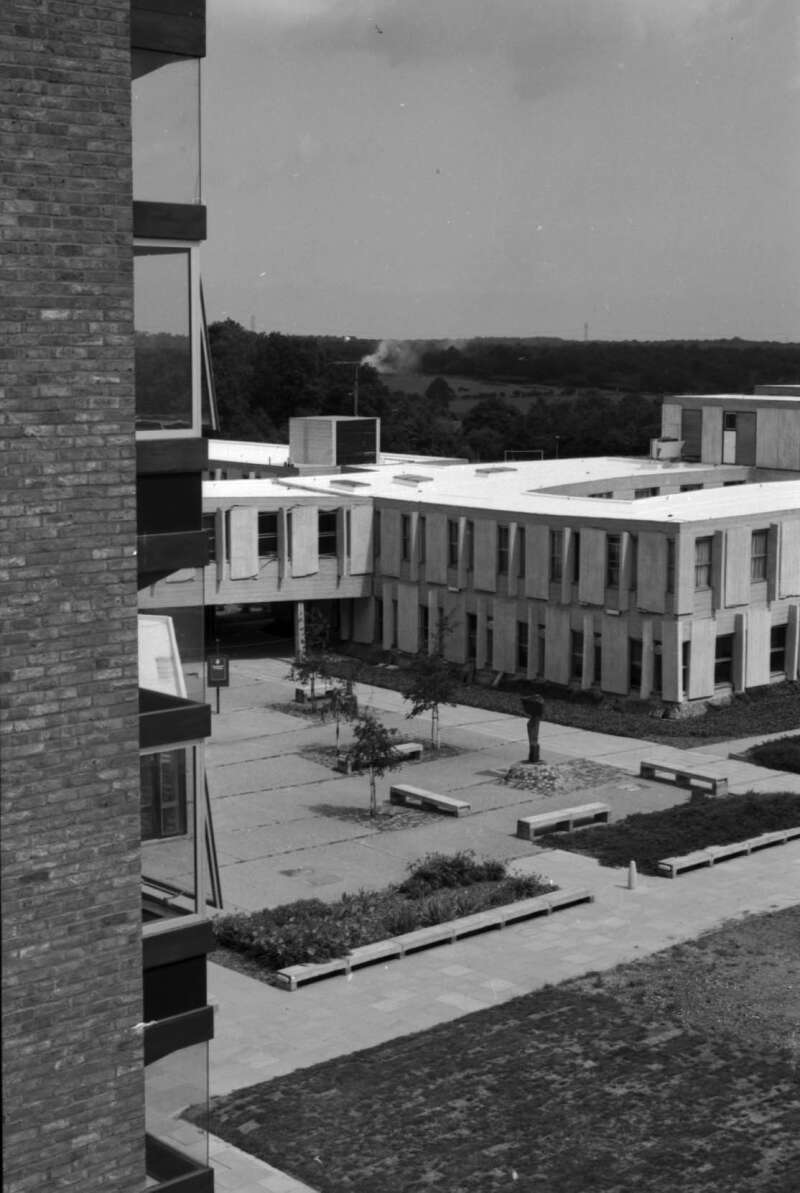
Each college was designed as a society, bringing together student and staff accommodation, teaching spaces and shared facilities. Dining halls, common rooms, study areas, coffee bars and social spaces were intended to encourage interaction beyond the classroom and create opportunities for students and staff to meet.
The ambition was to foster a sense of belonging and loyalty that extended beyond academic life: each college would be a student’s home within the wider University, while contributing to the sense of community that former Vice-Chancellor Templeman described as one of the University’s greatest achievements.


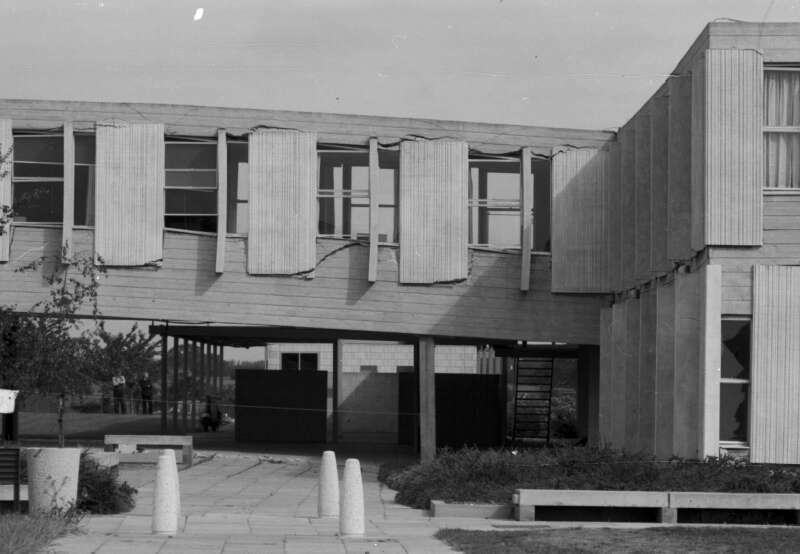
There is a popular urban myth that Eliot and Rutherford Colleges were designed by a prison architect. In fact, both were designed by architect Anthony Wade, using a cruciform layout. This design combined around 300 study-bedrooms with shared spaces, including dining halls, teaching rooms and common rooms.
The differences between Eliot and Rutherford were influenced by the contours of the site, with Rutherford more or less a mirror image of Eliot. Their dining halls are impressive, with vast windows overlooking Canterbury Cathedral’s Bell Harry Tower. Rutherford College pictured in 1967.
The first four colleges were named after figures whose work represented major areas of academic achievement:
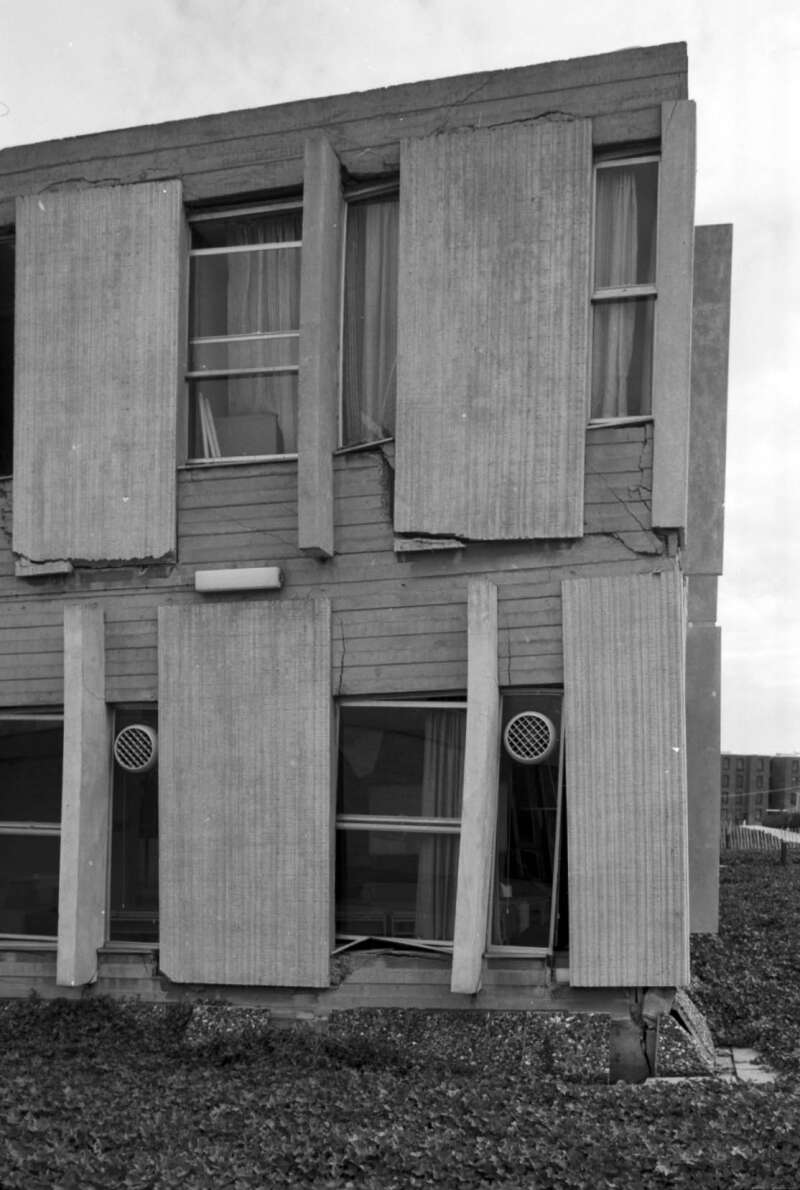
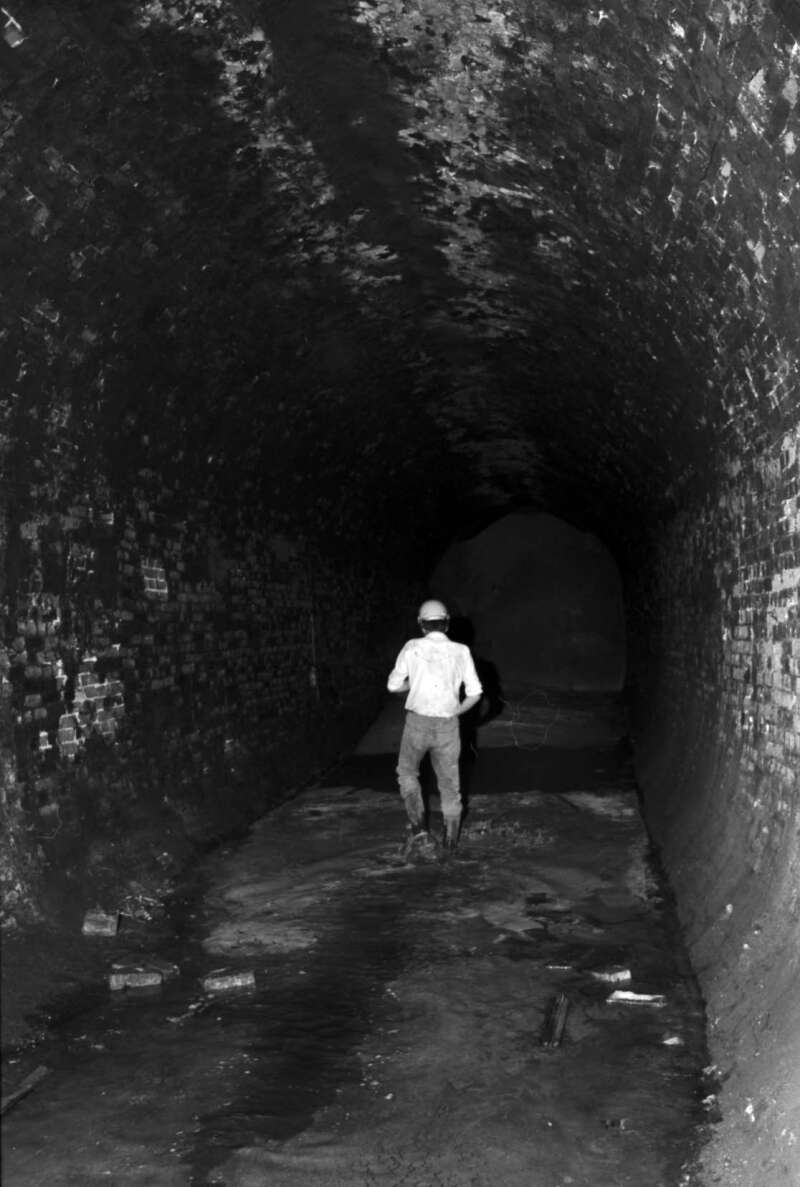
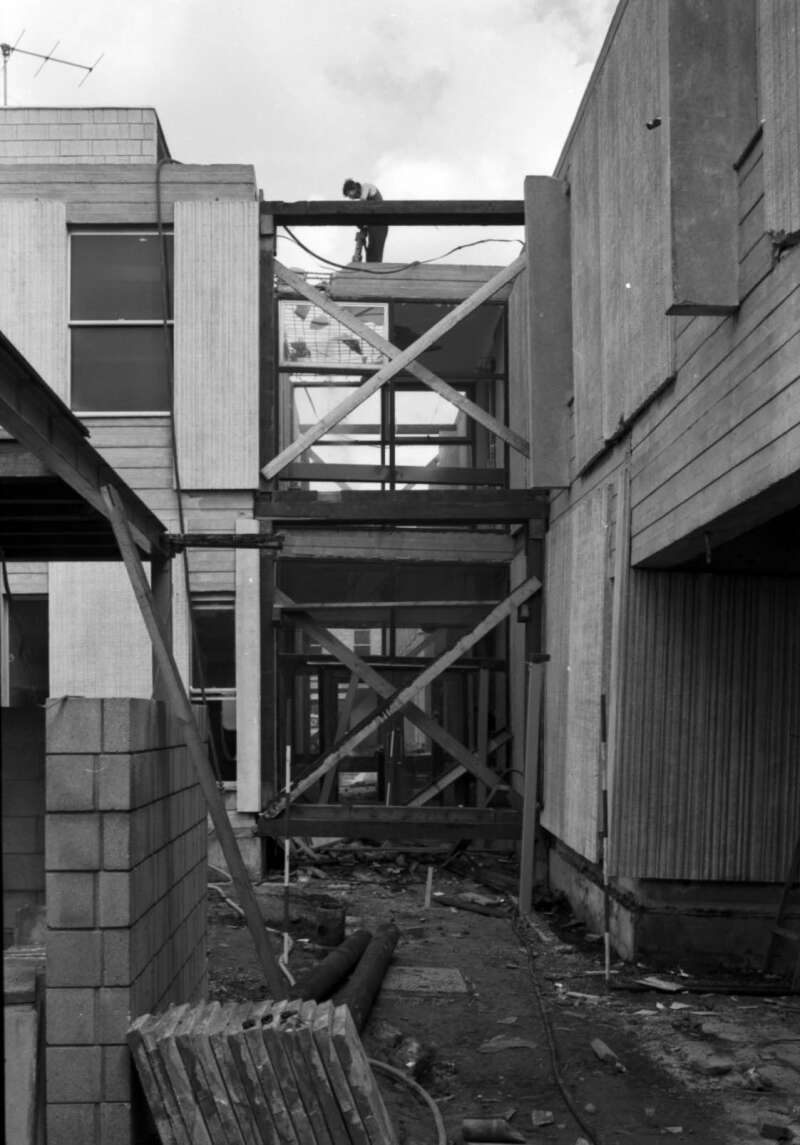
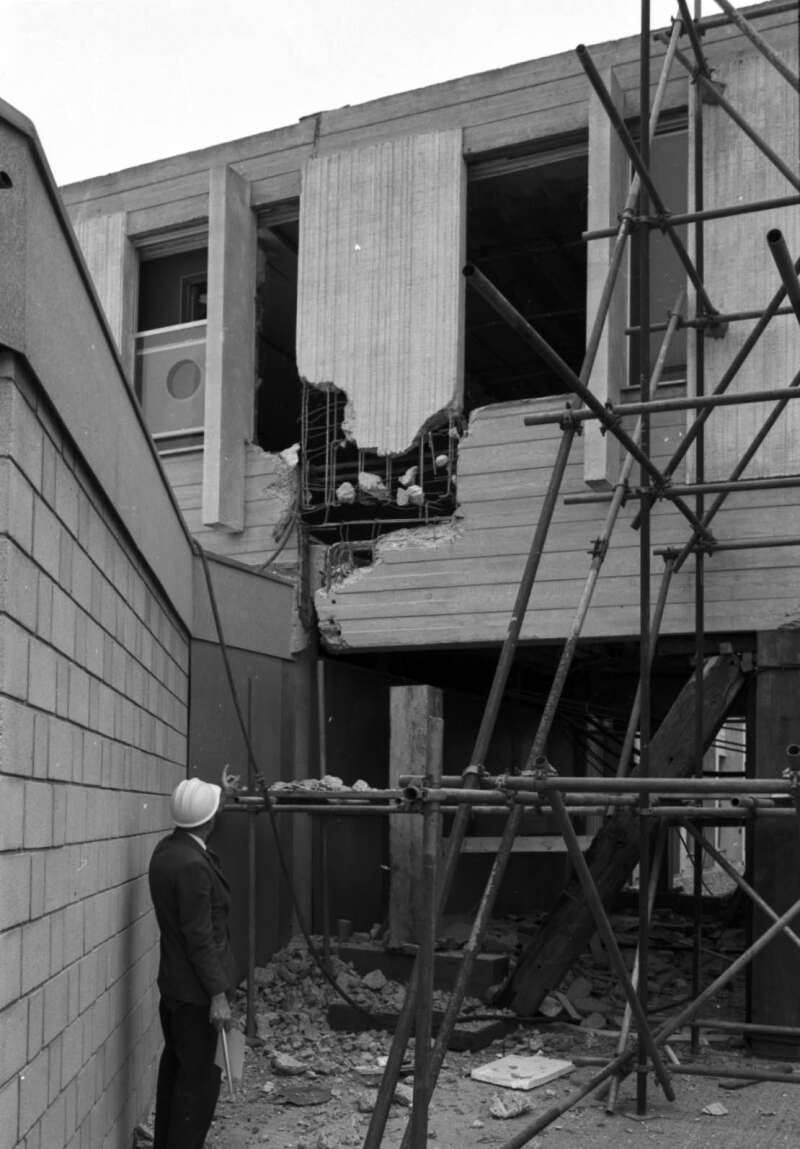
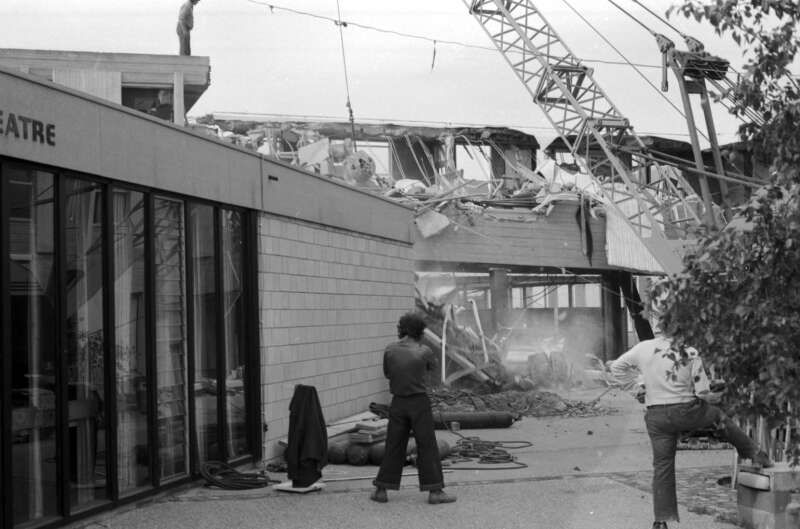
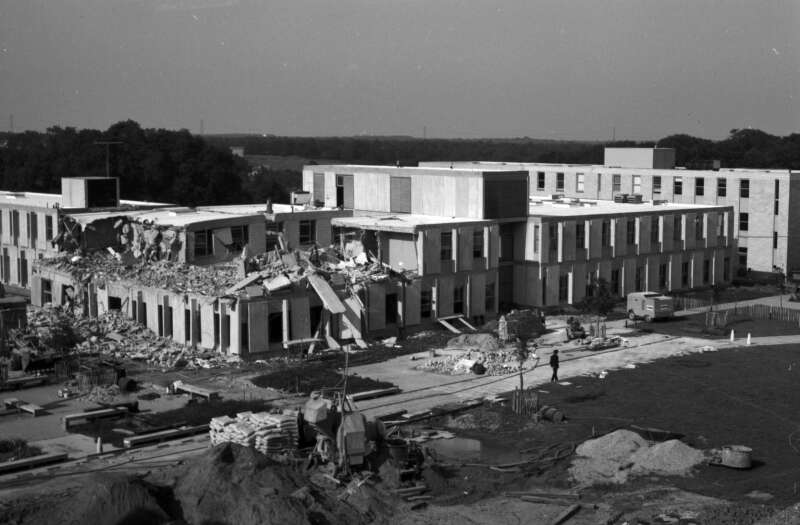
On the evening of 11 July 1974, the ground beneath the south-west section of Cornwallis Building suddenly gave way. A Victorian railway tunnel dating from 1829 collapsed, causing part of the building to sink by almost two feet within an hour.
Fortunately, there had been enough warning signs for staff and students to evacuate safely. Even the University’s only computer-an invaluable and costly piece of eguipment at the time-was moved to the opposite end of the building before the collapse.
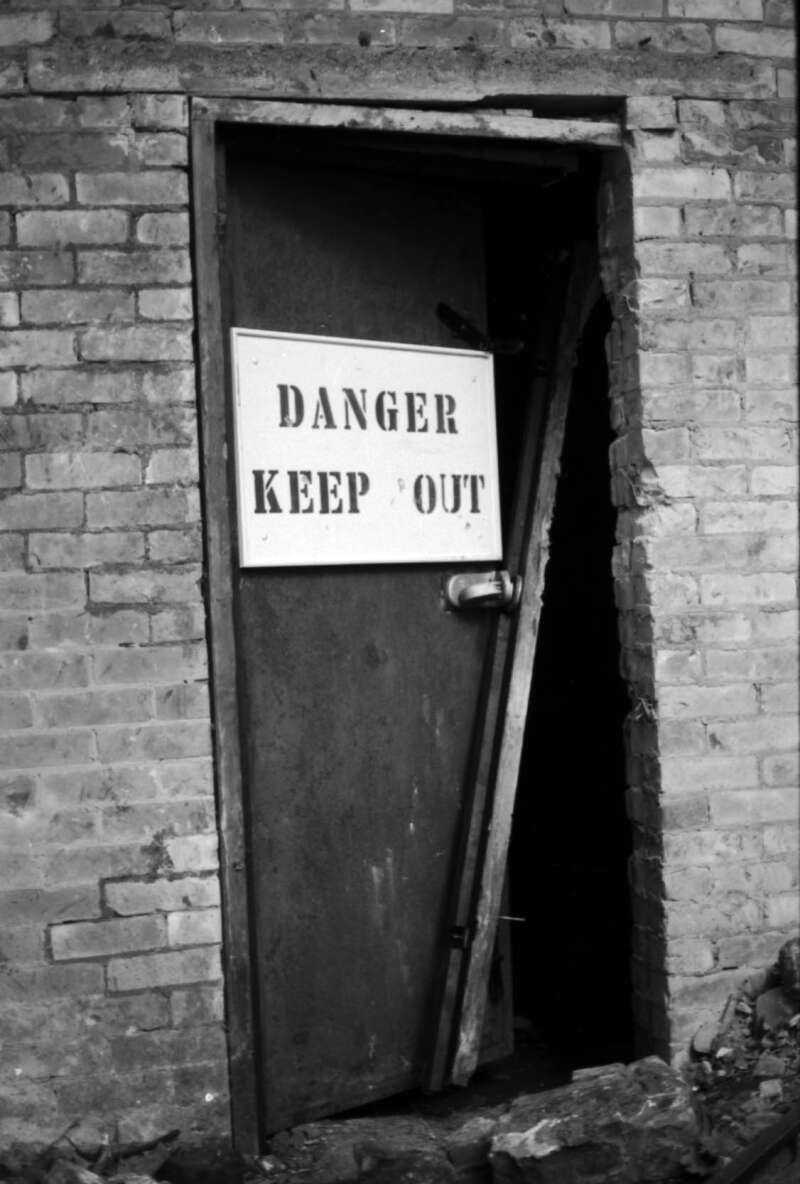
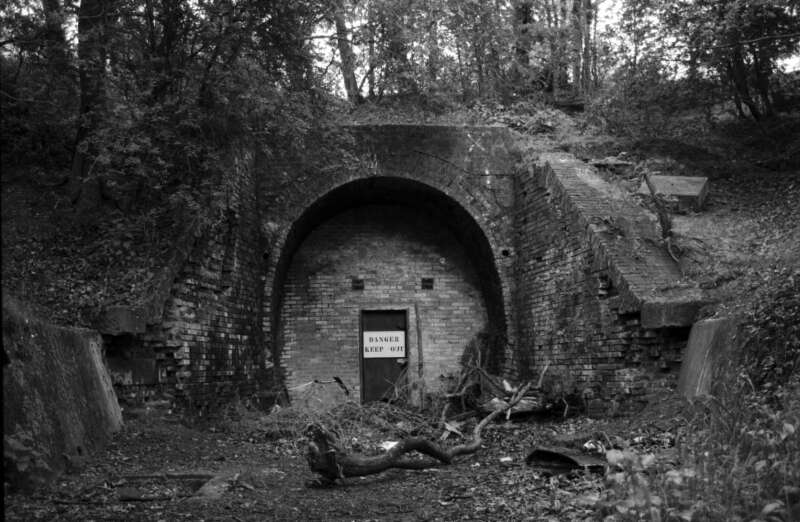
The tunnel formed part of the historic Canterbury and Whitstable Railway, one of the world’s earliest passenger railways. Running beneath the campus, the line had closed in 1952, apart from a brief return to service the following year after damage to other railway lines. Although civil engineers had inspected the tunnel in 1965 and judged it structurally sound, its failure nine years later came as a dramatic surprise.
Investigations concluded that the collapse was caused by the failure of the tunnel lining and surrounding clay, which eventually gave way in a single movement.
The damaged section of Cornwallis Building, together with the bridge linking Cornwallis and the Gulbenkian, was demolished. The tunnel, which runs through the campus, was then filled with a concrete mixture, creating a reinforced structure approximately 12 feet (3.7 metres) in diameter. The replacement section, named the George Allen Wing, was built at the opposite end of the Cornwallis Building rather than on the original site.

As student expectations changed, so did college life. Demand for greater independence led the University to develop self-catering accommodation at Park Wood, with the first houses completed in 1981. As the University grew, new colleges were also established, extending the collegiate tradition beyond its original four.
The tradition of naming colleges after distinguished figures continued:
Further accommodation was added over time, including Giles Court, Tyler Court and Becket Court, reflecting the changing needs of students and the continuing development of the campus.
The collegiate system itself came to an end in 2025. Yet the colleges remain part of Kent’s history and identity, with accommodation continuing to be offered at Darwin, Keynes, Woolf and Turing.
