Make It Yourself!
Make it yourself is a co-created exhibition between artist Dan Thompson, the University of Kent’s Special Collections and Archives
team, and you!
![Image of Fantasy Y-Fronts zine [DTC/MUS/02]](https://media.www.kent.ac.uk/se/54519/DTC_MUS_02_1920w.webp)
An imperfect exhibition, built around the whims of one zine collector. Dan Thompson has worked in theatre, music, and the arts and has collected over 350 zines, artist-made books, and related publications in his 30+ year career. In 2023, he donated them to the University of Kent’s Special Collections and Archives. For this exhibition, we’ve used them as a starting point to look again at other collections like our comedy archives.
Exhibition closes Sunday 26th April 2026.

Zines are usually self-published do-it-yourself publications. They are either unique or have a limited number of copies in circulation. Content is often personal and is hugely varied featuring art, poetry, interviews, cartoons, comics, collage, fiction and non-fiction. Zines often represent the voices of those who are marginalised and unrepresented in society and allow zine creators a form of expression outside of the mainstream.
Zines have their
roots in self-published pamphlets (we have a 1907 anarchist magazine by Emma
Goldman in the exhibition), but modern zines are thought to have originated from a science fiction
fanzine called The Comet first published in 1930 by the Science Correspondence
Club in the USA. Science Fiction fan culture created a hugely popular set of
zine publications such as Spockanalia (about Star Trek), and Janus/Aurora, a
science fiction feminist zine. Other types of fanzine created from the 1930s to
the 1970s included comics fanzines (such as The Fantasy World -
1936), music fanzines, and fanzines inspired by counterculture – such as Oz magazine
(1960s).
Small press poetry
produced in the 1950s - 1970s shared a similarity with the beginnings of zine
production. Both methods of publishing provided a voice for people outside the
mainstream media, allowing authors ownership of their work and how it was published
and shared. Works were often shared within small networks of fans and other
interested people. This was empowering for writers and artists and was an
important part of the growing popularity of the self-publishing movement. For
example, the Beat Poets movement used cheap printing techniques to disseminate
their work.
In the 1970s and 1980s, zines became hugely popular in punk subculture. The Punk movement was a reaction against authoritarianism, and the popular and mainstream music industry. Punk culture embraced the DIY nature of zines and zines created at this time included music zine Two pint take home! and anarchist zine Paper Tiger.
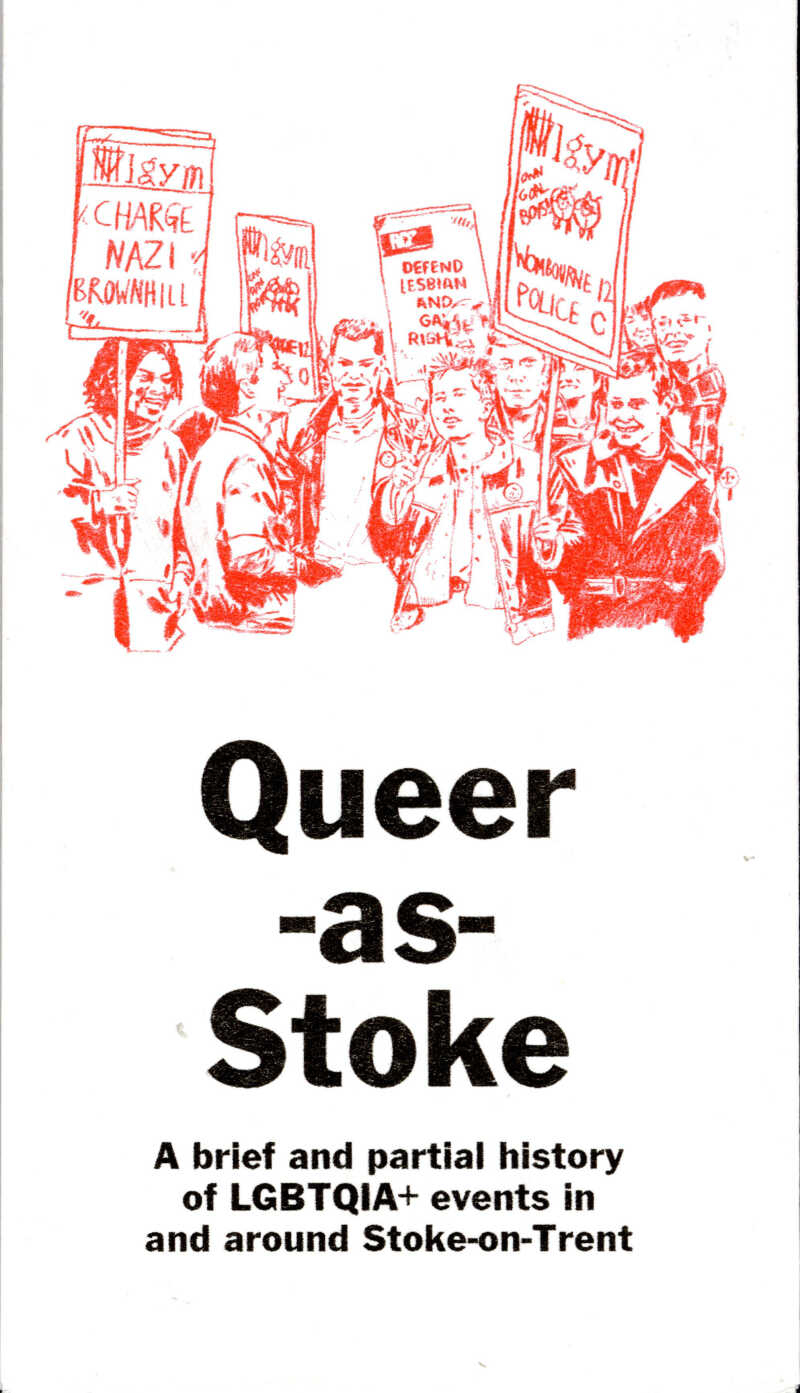
Within the punk subculture, there also grew a greater diversity of perspectives with spaces created for women, the LGBTQ+ community, and for people of colour, with zines providing a mechanism of expression for these under-represented voices.In the 1980s –1990s there was a increasing feminist influence in the zine world. The Riot Grrrl movement emerged offering an opportunity for women’s self-publication and expression of the experiences and perspectives of women outside of the confines of the mainstream press. Zine examples include It’s different for girls (1980s) and Fantasy Y-Fronts (1990s).
Simultaneously Queercore emerged, critiquing the homophobia within zine culture and in wider society, producing zines such as Gay Christian and GirlFrenzy. Further subcultures developed to address issues of structural racism and the general whiteness of the punk zine scene, resulting in zines such as The Evolution of Race Riot and How to Stage a Coup.


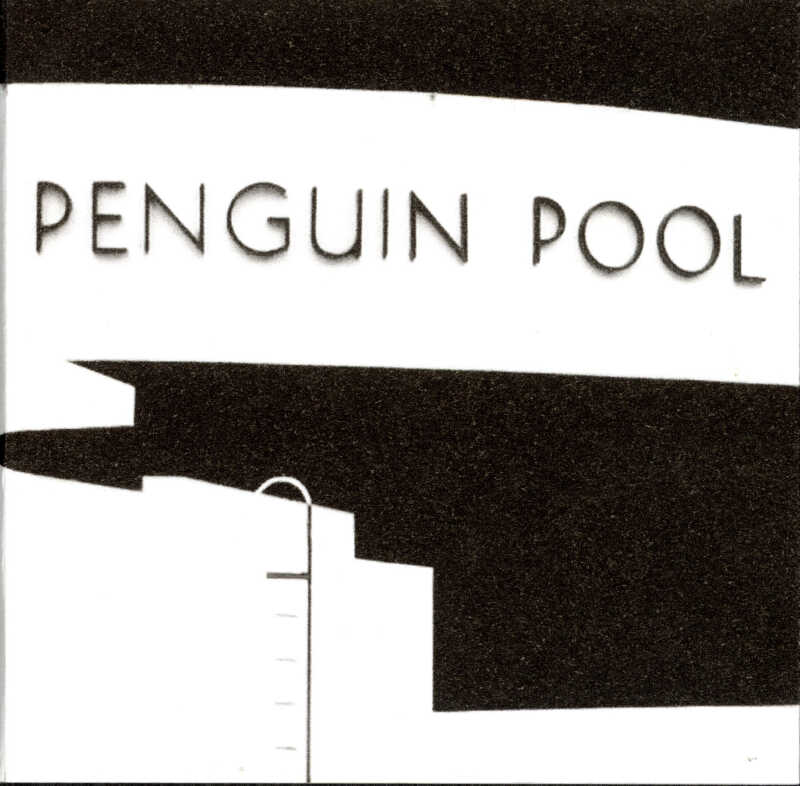
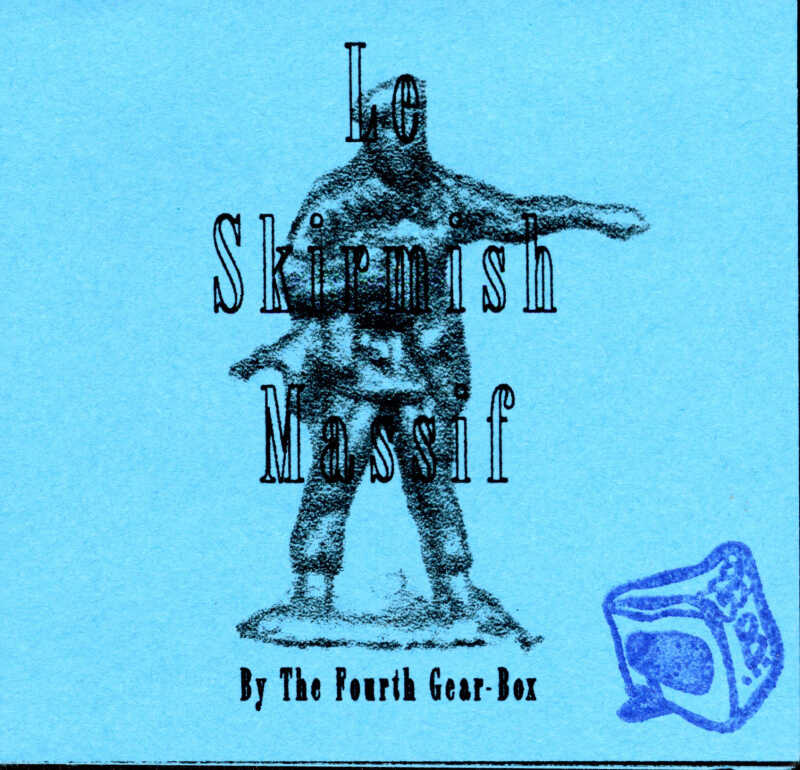
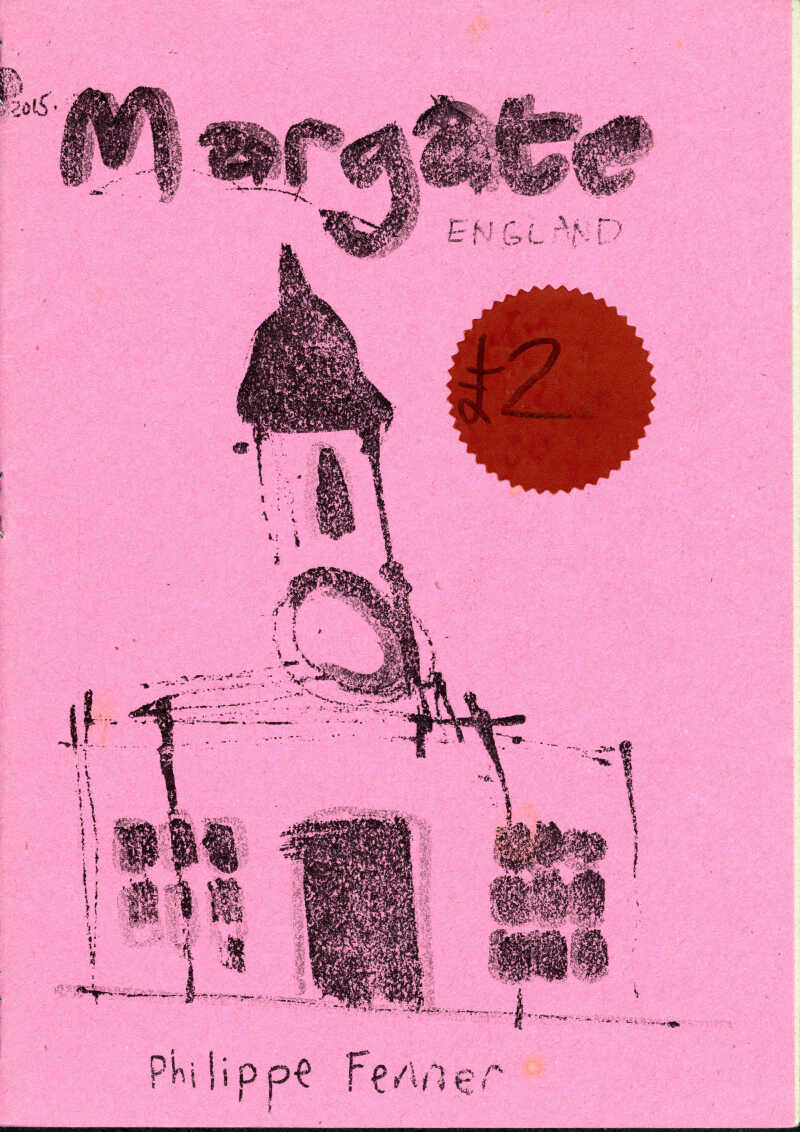
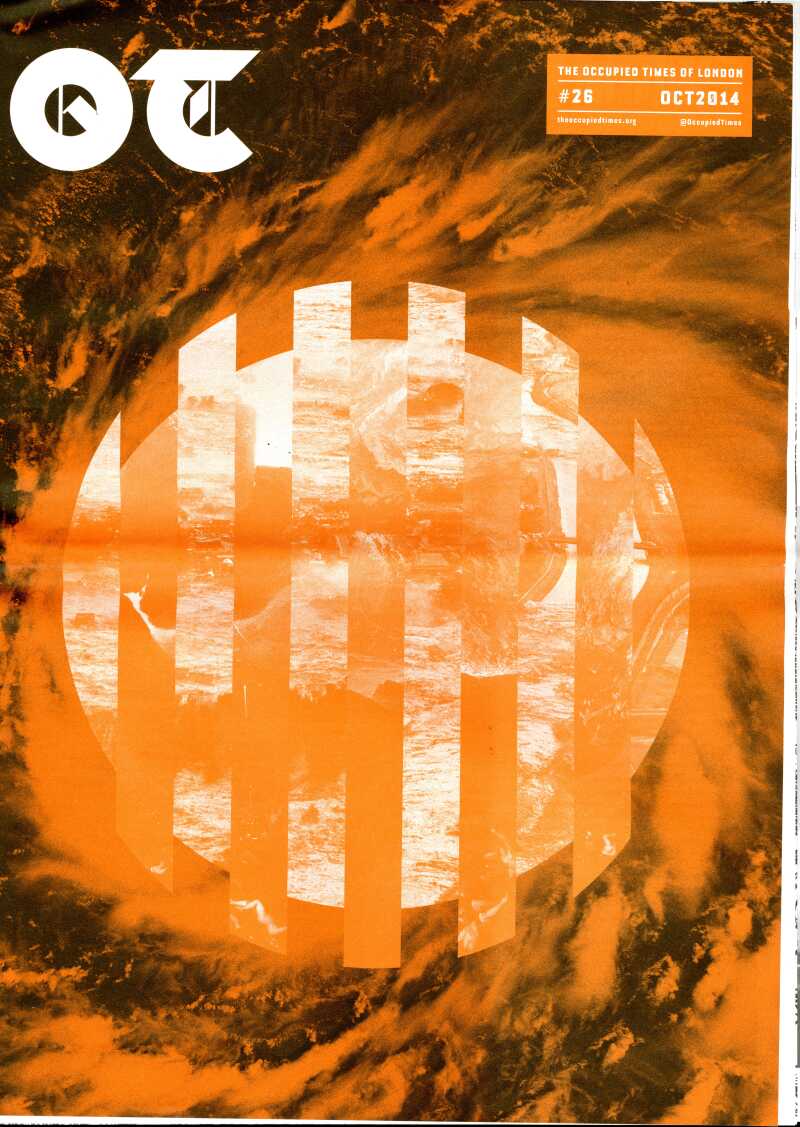
Here are a few examples of items in the exhibition. Use them as inspiration to create your own zine.

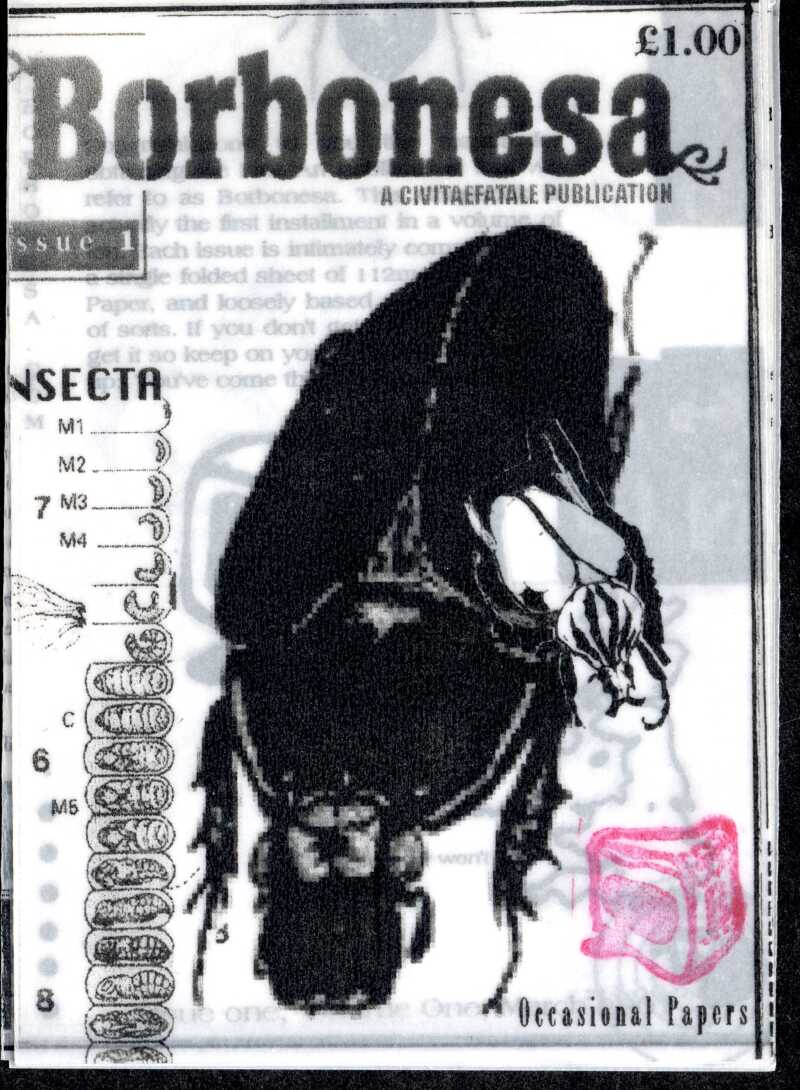
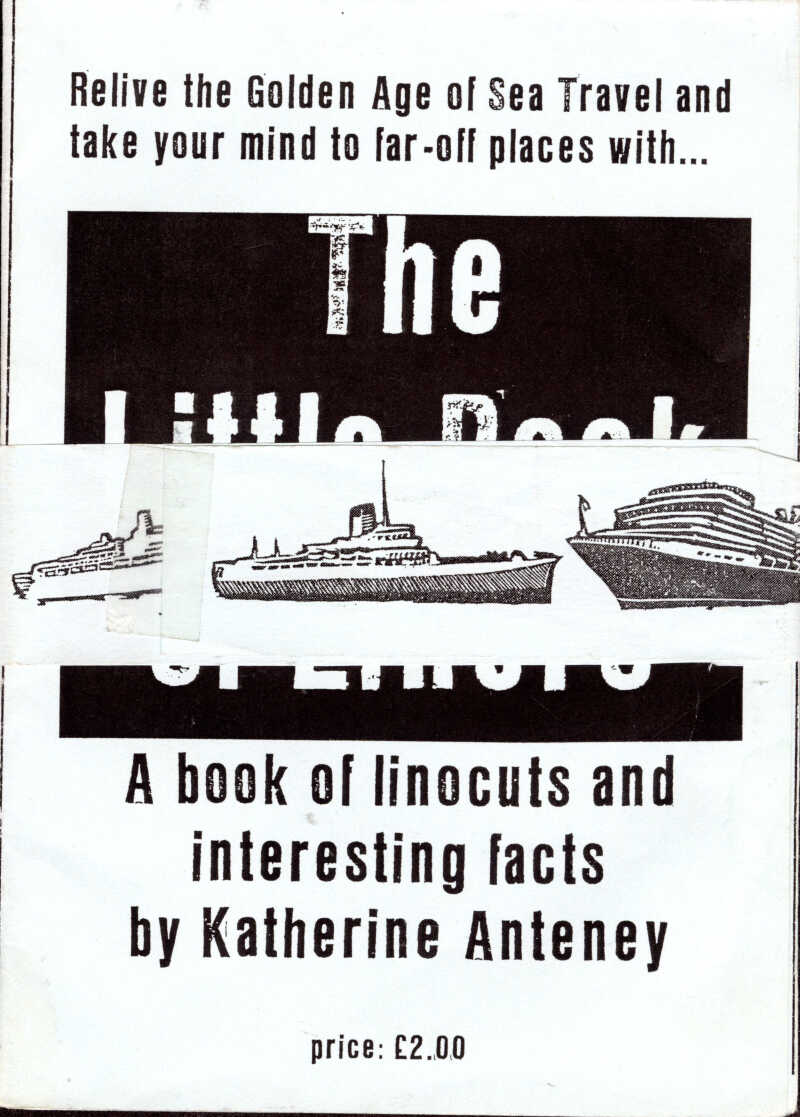
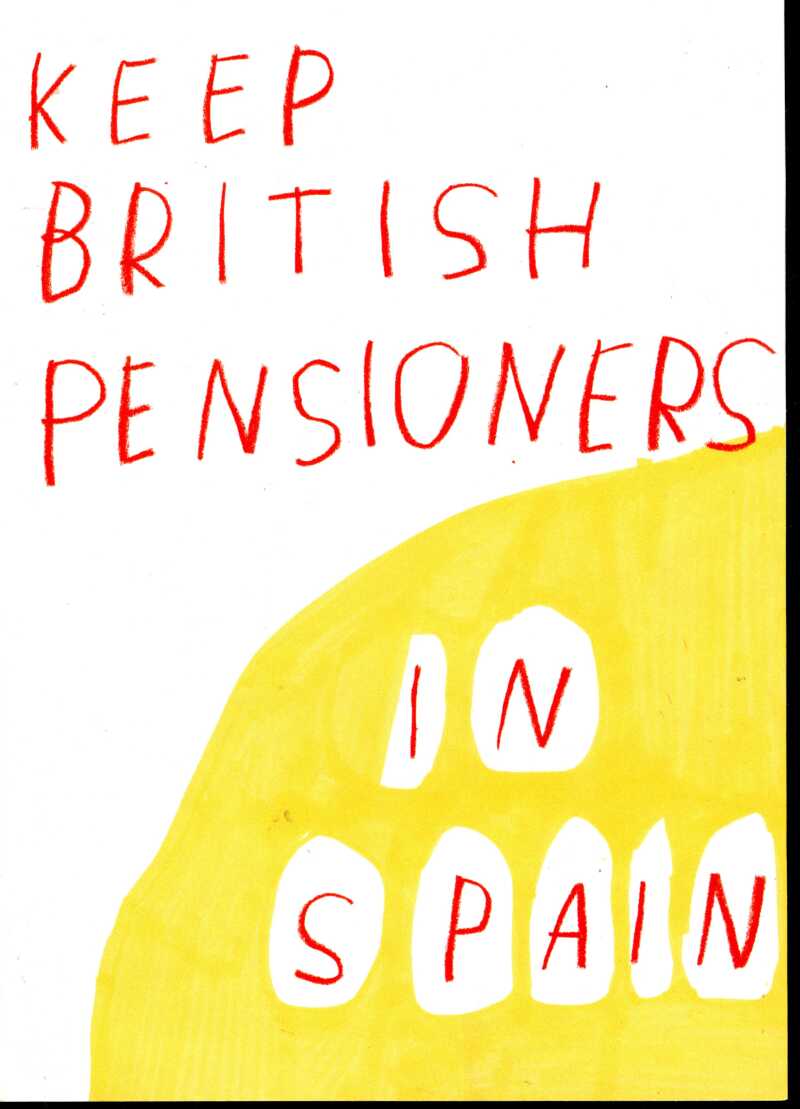
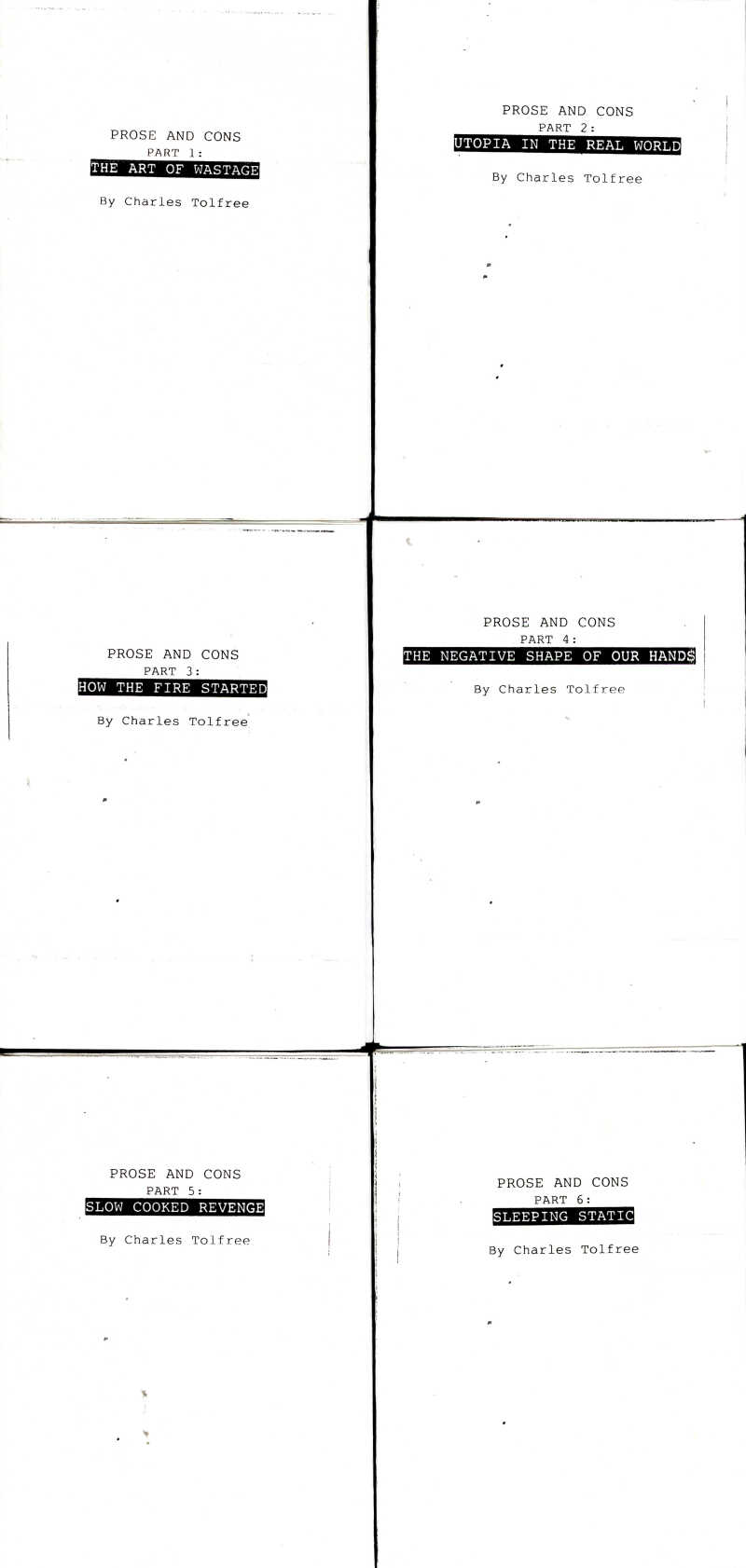
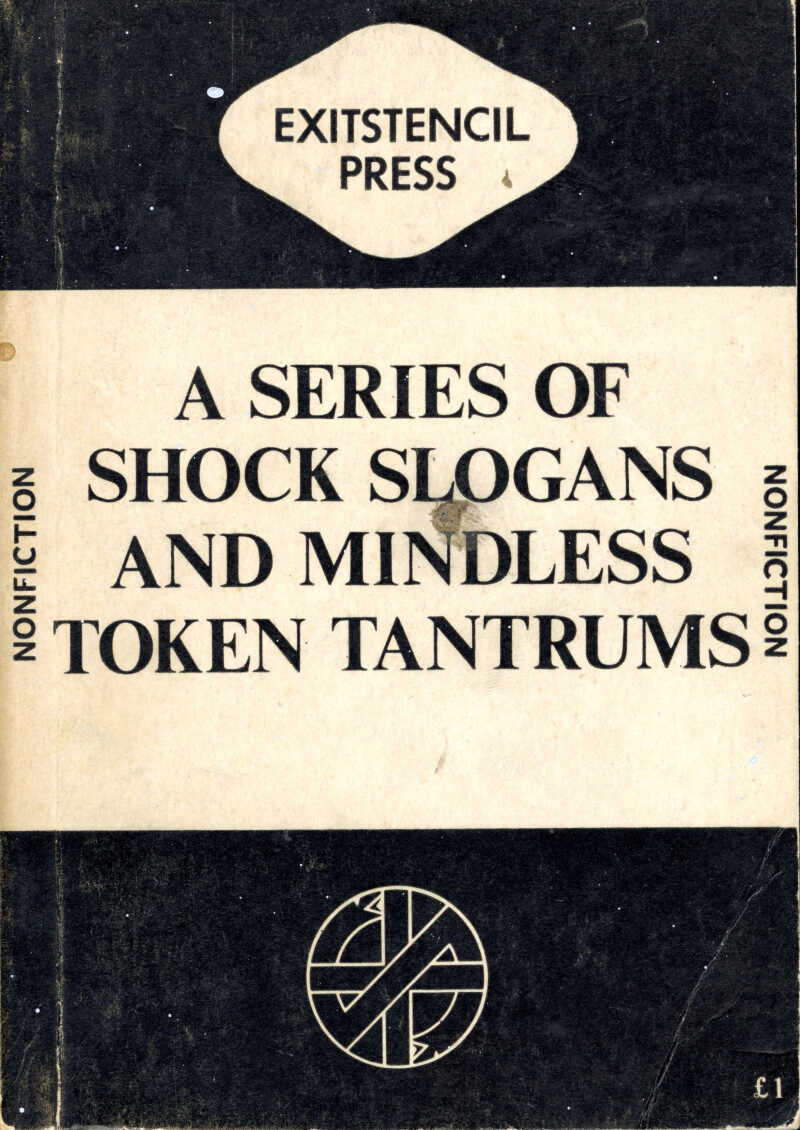
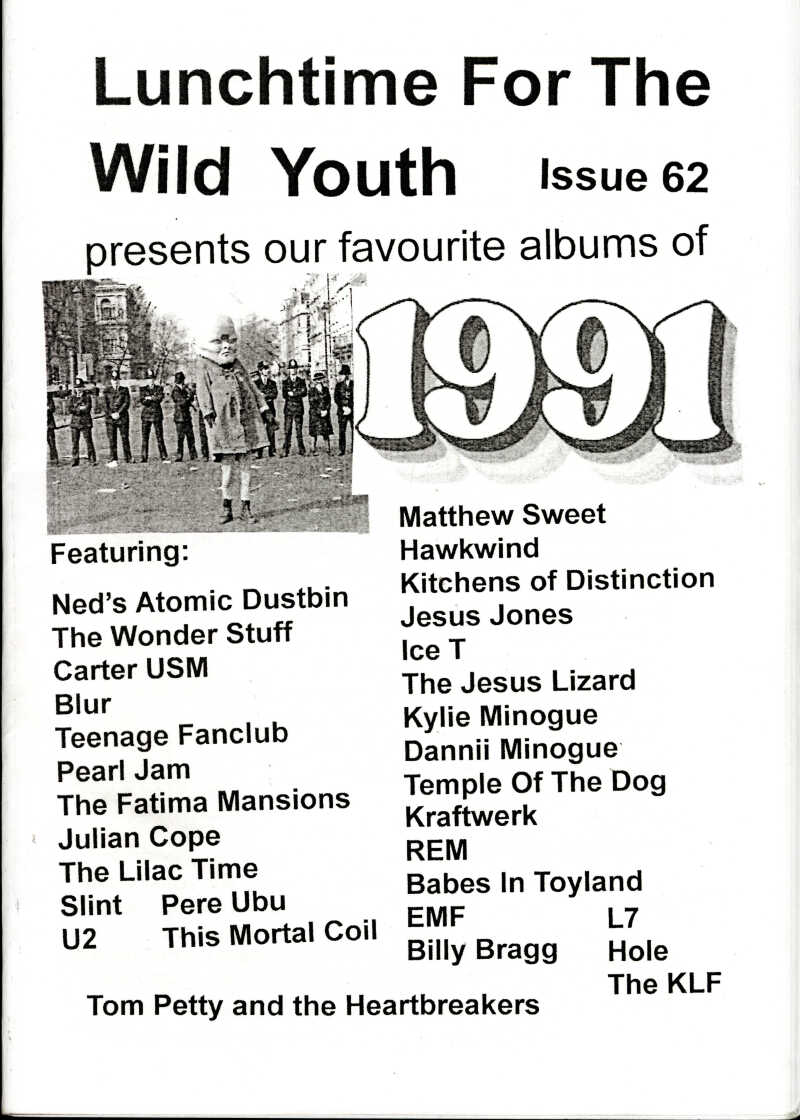
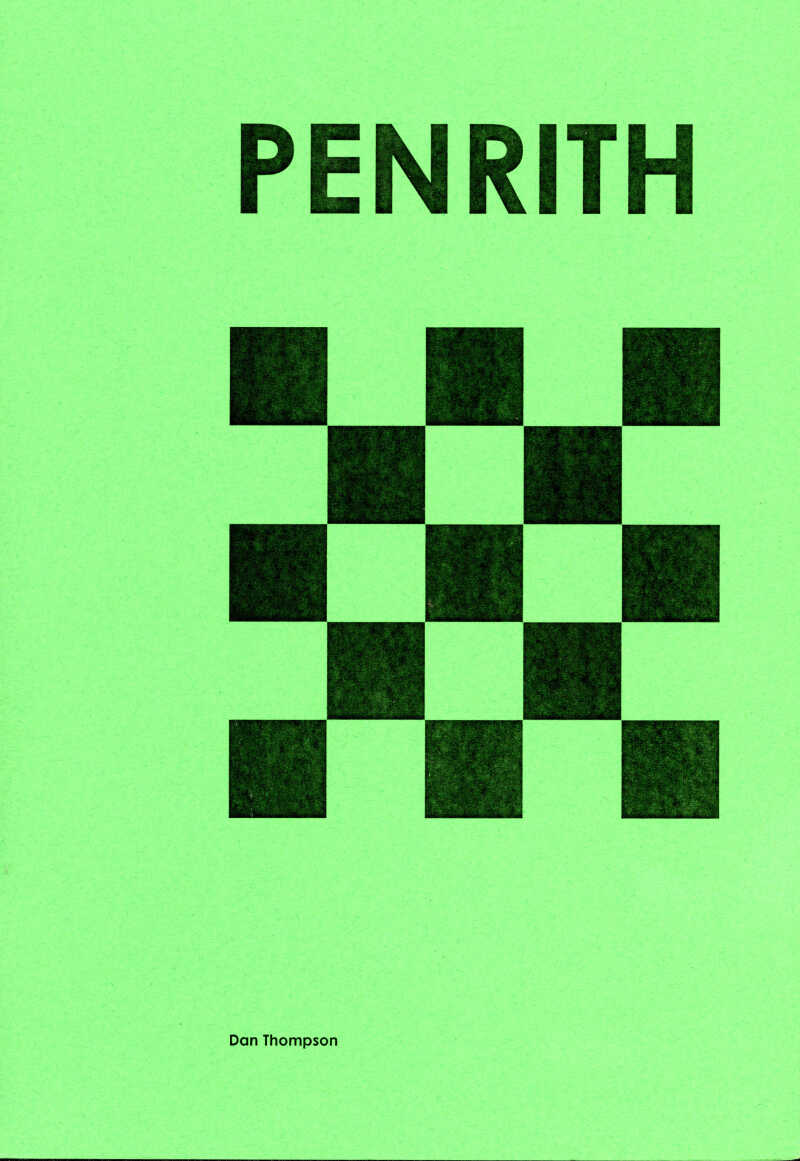
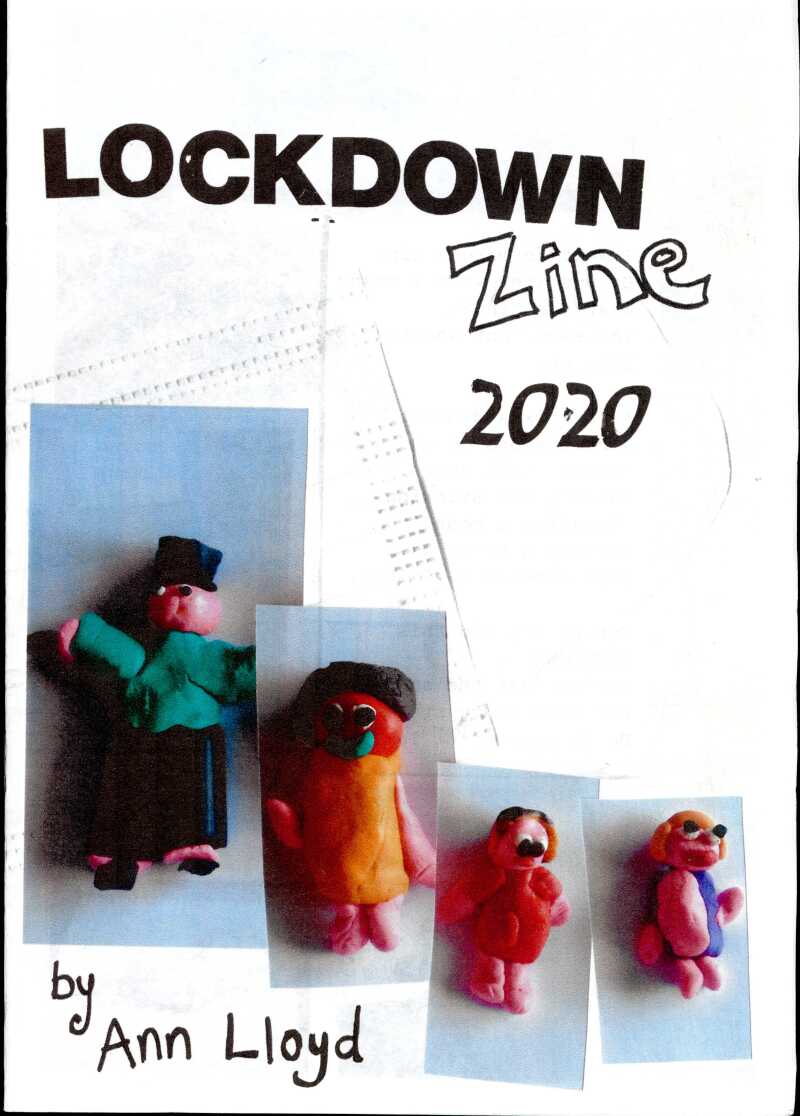
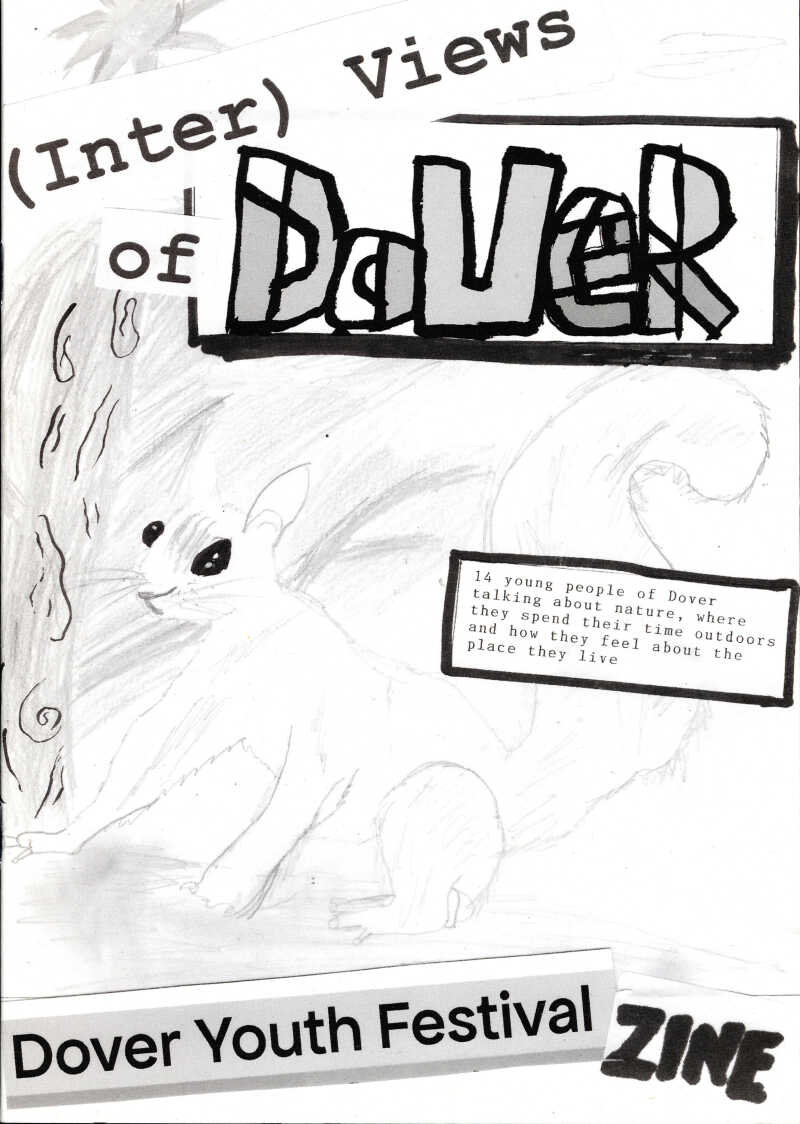
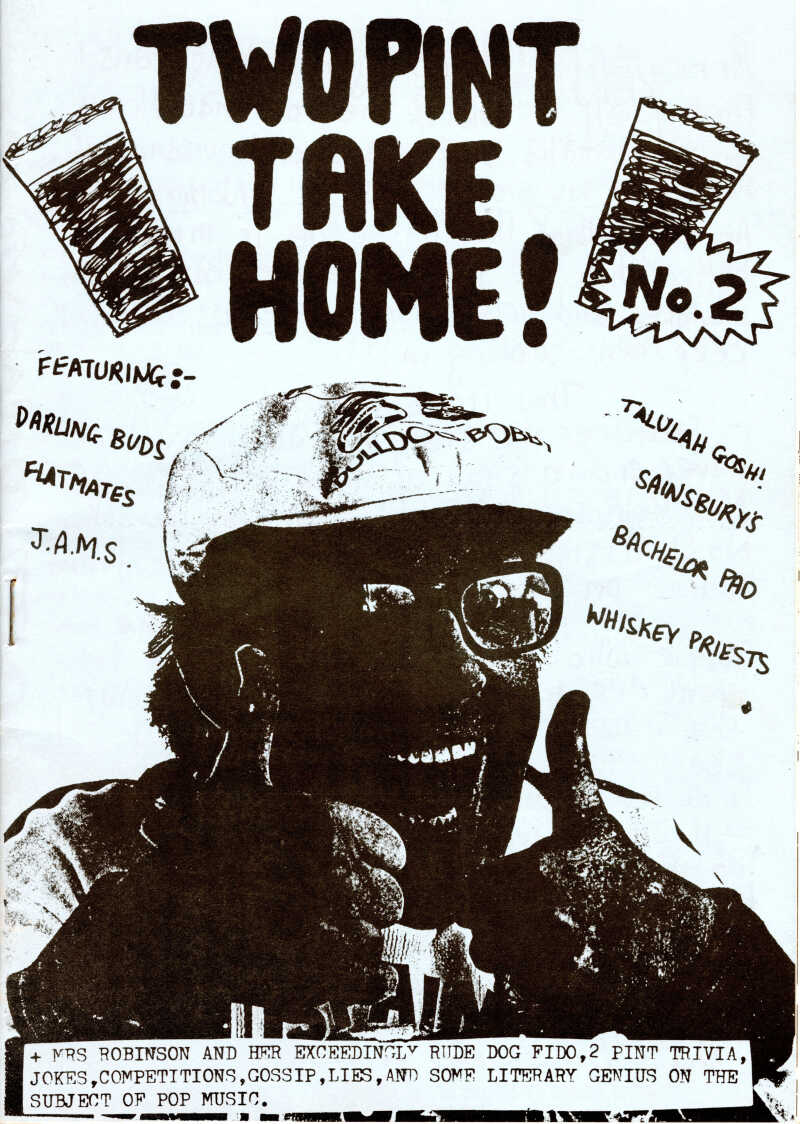
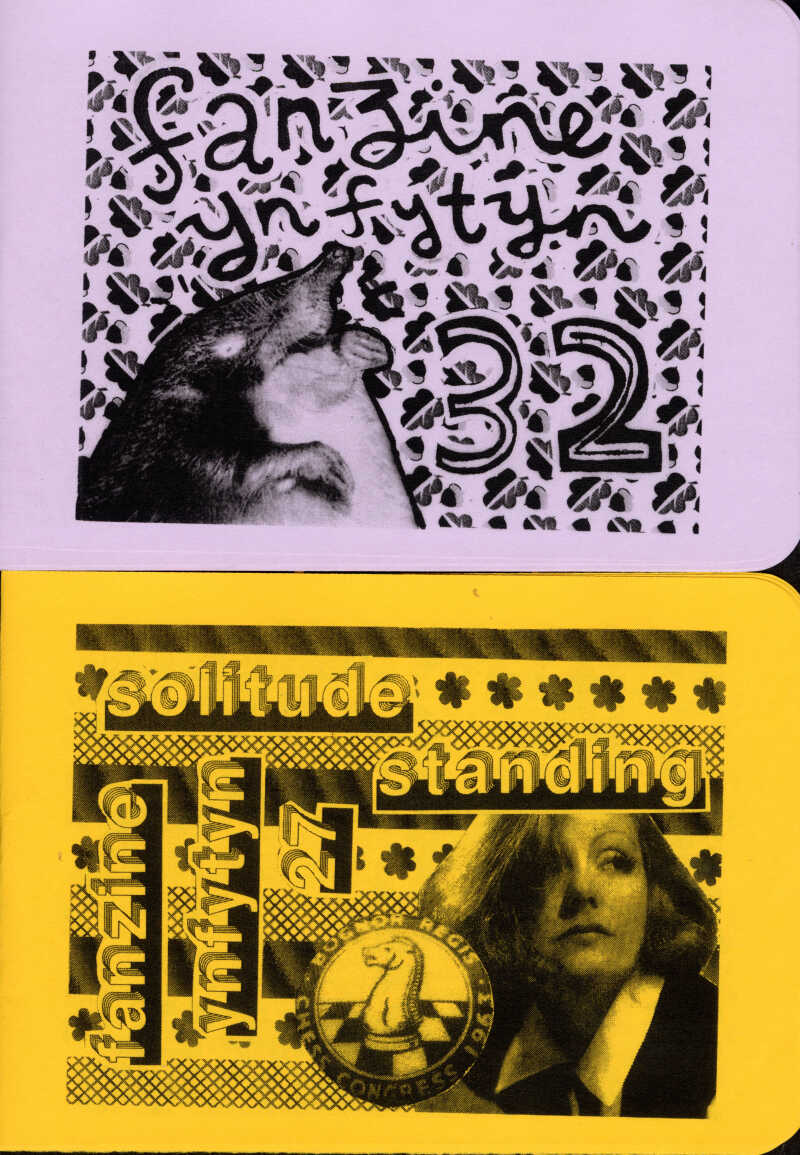

What’s missing? No zine collection could ever be complete, especially as right now, somebody is making and sharing a new zine. So, for the final month of this exhibition (April 2026), we’ll show new work made in the first months of 2026 - and we’d like to invite you to contribute!
Make something in response to 'Make It Yourself!' and we’ll include it in the exhibition. Just drop a copy of your created zine or publication to the Special Collections and Archives team in Templeman A|107 and we’ll add it to the display.
You can also get involved by attending one of our exhibition events:
