Charlie Latham
Charlie spent his placement working with Crystal Palace FC, juggling the relentless schedule of elite football alongside his final year dissertation and university assignments.

What was your role?
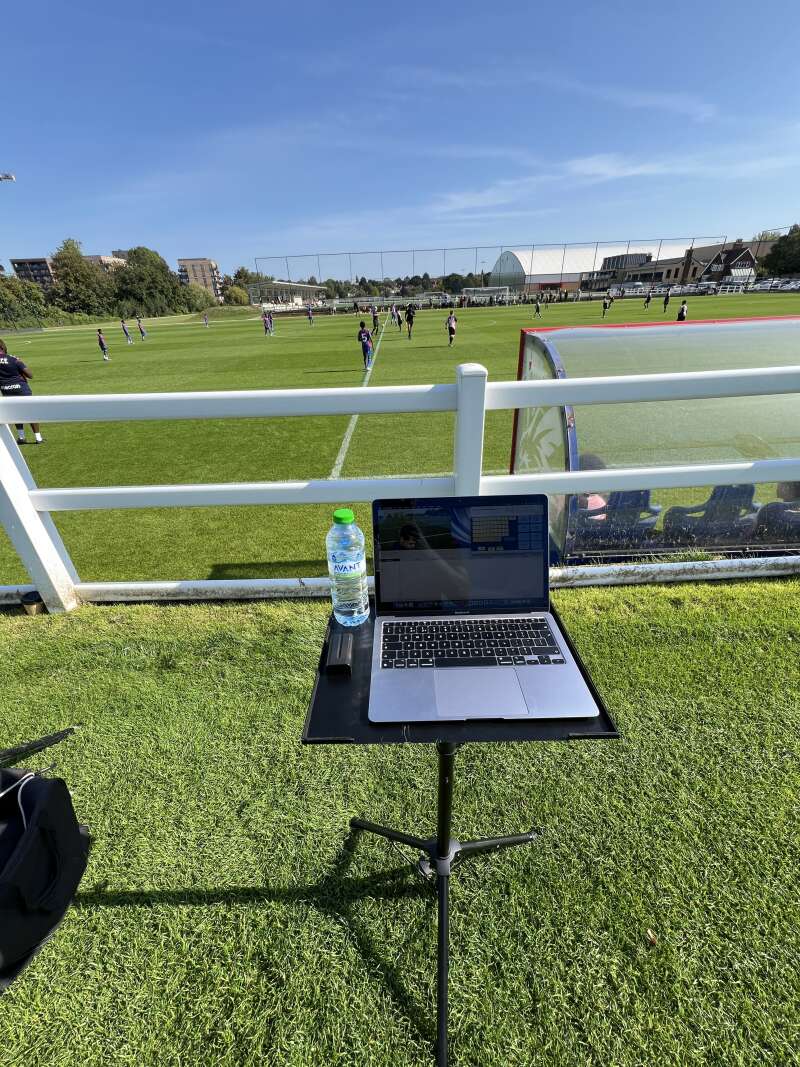
My role primarily focuses on performance analysis throughout the academy. This involves a wide range of responsibilities, from providing detailed opposition reports and delivering pre and post match presentations, to coding football matches. I also operate cameras to record matches and training sessions. A key part of my role is gathering specific video clips, whether that is collating highlights of individual players or compiling footage of elite professionals to show the younger academy talents for comparison and development. Providing these visual resources is absolutely crucial for the coaching staff and their tactical preparation.
What does a typical day or week look like?
Every week is incredibly action packed as I am balancing final year studies, including my dissertation and lectures in Canterbury, with being at the training ground in London three days a week. A typical day at Palace starts very early, arriving at the training ground for 7am to play staff football. After that, I grab breakfast in the canteen before moving straight into setting up for academy training, which involves positioning tripods and operating both automated and manual cameras. Once filming is complete, I head back to the office to code previous matches, gather elite clips in accordance with the academy syllabus, and prepare upcoming opposition reports. I normally have lunch in the canteen after delivering presentations, and I often wrap up the day and leave the ground at 5pm. It is a full on schedule, but establishing this solid routine has been key to keeping everything on track.

What is it like working in a Premier League football environment?
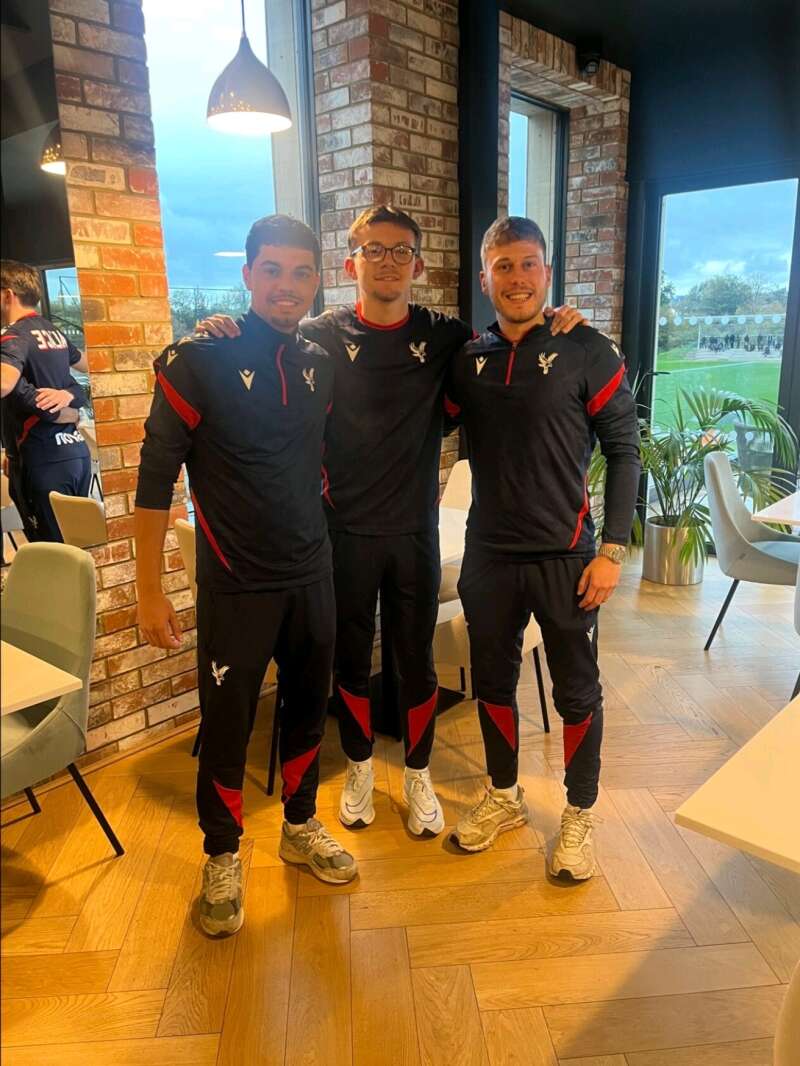
Working in a Premier League environment is highly exciting and enjoyable. You are surrounded by incredibly talented players, and there is an exceptionally high standard expected both on and off the pitch for players and staff alike. Operating in such a fast paced work environment is demanding, but having access to state of the art facilities and cutting edge equipment makes the internship an amazing experience. Being immersed in this daily drive for excellence constantly pushes you to improve your own professional standards.
Can you walk us through a specific task or project you’ve worked on?
One highly rewarding project I regularly work on involves creating player release clips. This requires collating and editing highlight packages for players who are being released from the club. I put these comprehensive video clips together for other clubs to view, showcasing the player's best attributes and moments in the hope of helping them secure a signing elsewhere. It is a very meaningful process, knowing that your meticulous video work could directly support a young player in the next step of their career.
I am very lucky to have access to a wide range of highly professional software, such as Hudl Studio, Hudl Sportscode, BePro and Genius Sports. For recording footage, I operate automated systems like Veo and BePro cameras, alongside manual cameras and tripods. I am also currently learning how to use a specialised drone to capture a tactical view of training sessions. To process and share insights, I rely on Keynote for delivering presentations to the players and staff, and Excel for managing match data. Getting daily hands on practice with this exact software means I am building skills that are highly sought after in the industry.
How involved are you in training sessions, performance analysis, or matchday work?
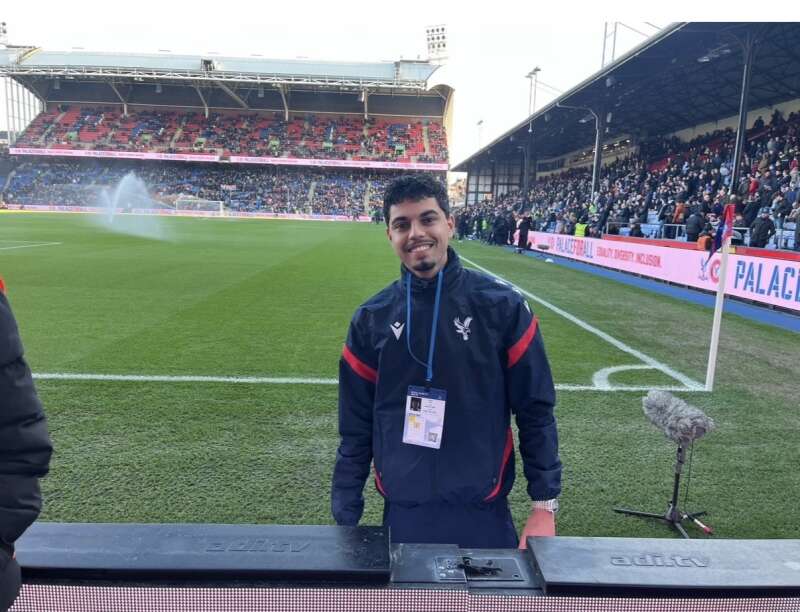
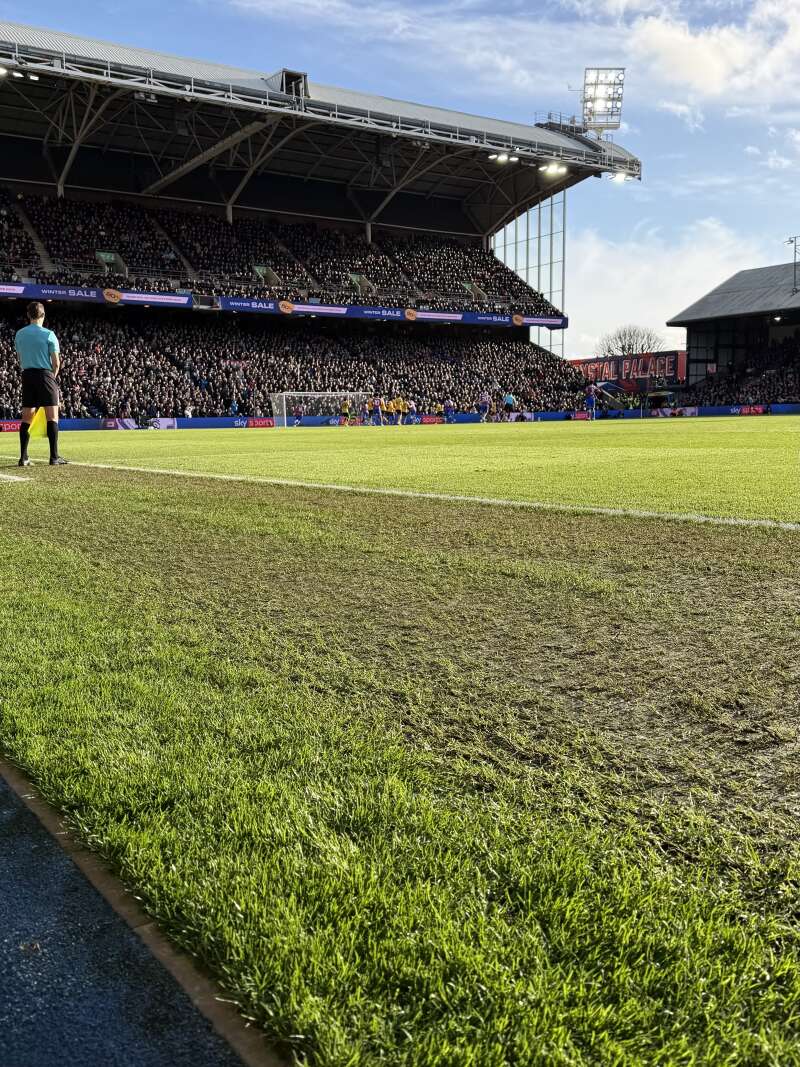
I am highly involved across the board. For the academy, I am pitch side filming every training session, and on matchdays, my role is crucial for capturing the game and coding the events live, alongside delivering analytical presentations. Taking the initiative has also led to further matchday involvement. I now work with the first team during home games at Selhurst Park, where I coordinate all the ball stewards. Being trusted with these live responsibilities on a match-day really makes you feel like an integral part of the wider club.
What skills have you developed the most during your placement?
My technical abilities in video editing and match coding have improved massively. Alongside this, my communication skills have really developed, particularly in learning how to present complex tactical information visually. Working in such a dynamic environment has also forced me to step out of my comfort zone, helping me build good rapports with lots of different people, from academy prospects to senior coaching staff. Furthermore, balancing this demanding role with my university studies has perfected my time management and overall professional confidence.
What has been the most challenging part of the placement, and how have you adapted?
The most challenging part has definitely been juggling the relentless schedule of elite football alongside my final year dissertation and university assignments. I have adapted by becoming incredibly disciplined with my schedule, ensuring I maximise my time in the office at Palace whilst dedicating my evenings and days off to my studies in Canterbury. It has certainly tested my dedication, but mastering this balance has been one of my proudest achievements this year.
How has this experience shaped your career goals after graduation?
This experience has completely solidified my desire to work in elite football. Seeing firsthand how performance analysis directly influences coaching decisions and player development makes me determined to pursue a full time career as an analyst, or possibly explore other roles within an elite club, after graduation. Having this real world insight has given me a much clearer focus for my next steps.
What would you say to a student considering an industry placement in sport and exercise science?
Absolutely go for it. Be prepared for a fast-paced environment and long hours but know that the rewards are immense. The practical experience of using industry standard equipment and working alongside elite professionals is something you simply cannot replicate in a lecture theatre. My biggest piece of advice is to be outgoing and willing to step out of your comfort zone. If you are proactive in building good rapports with lots of people, this placement provides fantastic external opportunities to expand your network across the wider club. The academic foundation is essential, but it is this kind of immersive exposure that truly sets you apart.