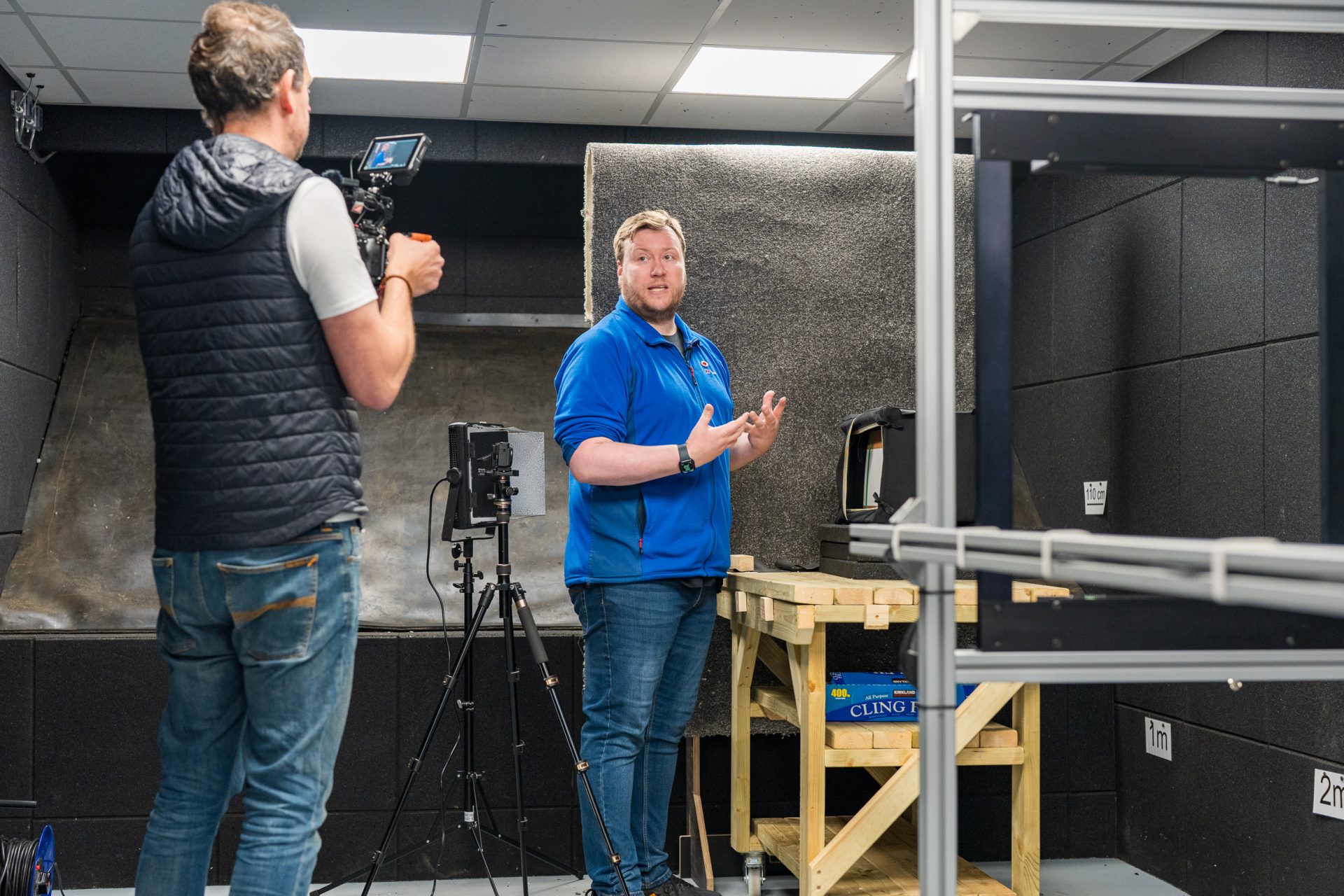
Kent’s state-of-the-art experimental ballistics facility has been used to put catapult fire to the test in a new BBC documentary highlighting the deadly nature of catapult attacks.
In Catapult Crime: Killing for Fun, Director of Studies for Chemistry and Forensic Science, Dr Chris Shepherd, uses the facility to demonstrate just how damaging a catapult attack can be for humans and animals. The programme sees Dr Shepherd simulate part of the human head with a box layered with bone simulant and silicone rubber material that simulates skin. He then repeatedly shoots at the box within the safe and controlled environment of the ballistics facility.
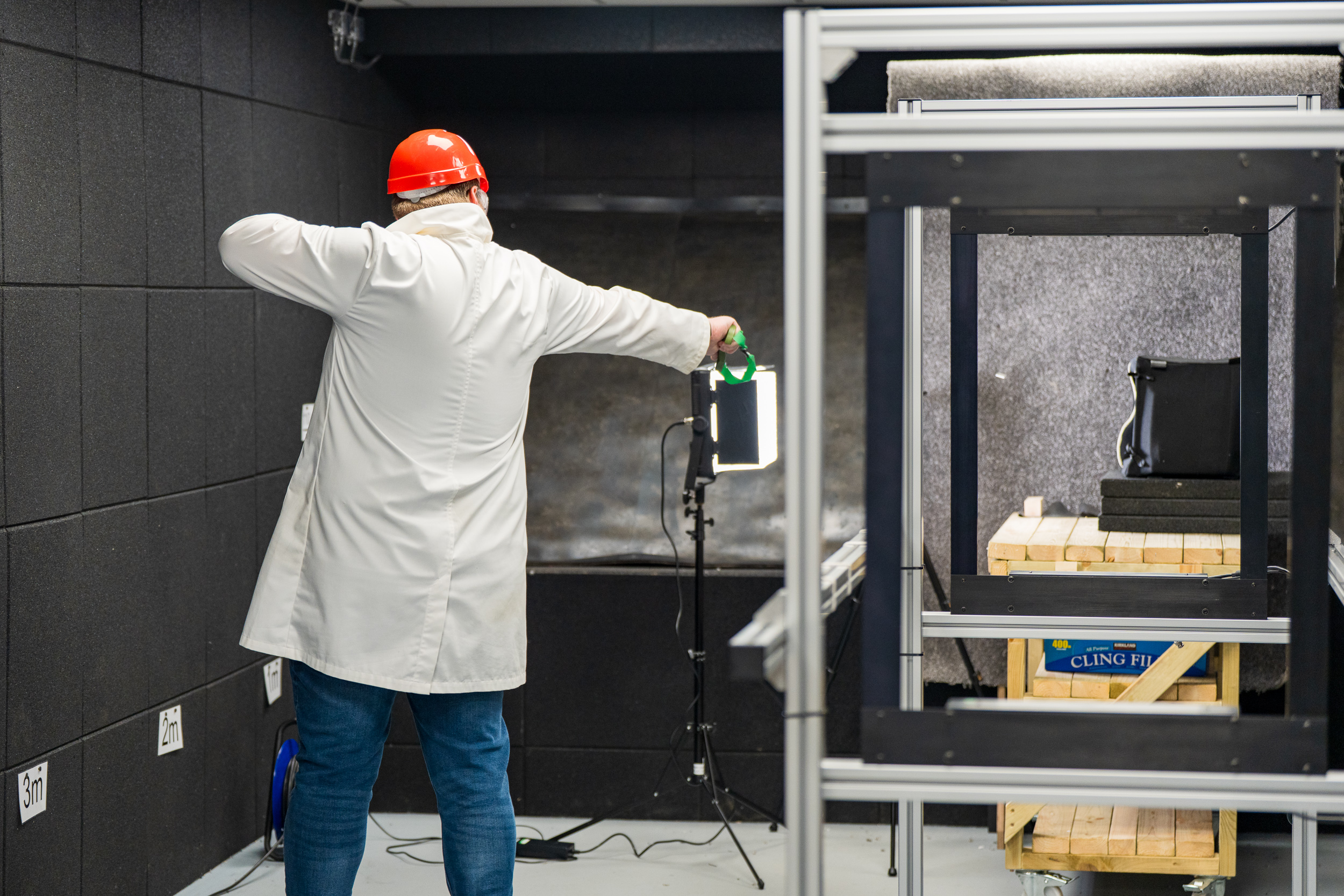
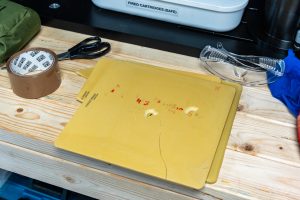
The resulting cracks and fractures in the bone simulant suggest that catapults could be lethal for humans. Further tests conducted by Dr Shepherd backed this up further, with evidence suggesting that catapult attacks could cause serious brain injury and significant puncture-type wounds. These results mirror the horrific outcomes of real wildlife and human attacks featured in the programme. Catapults are not currently illegal to own or carry in public but with lethal attacks on animals on the rise, campaigners are calling for the sale of catapults to under 18s to be banned.
The experimental ballistics facility is one of only a couple of such facilities in the UK. Built to the highest modern safety standards, it is used by forensic science students and researchers at Kent to help improve understanding of many ballistics-related processes, such as how bullets ricochet off surfaces or wound the human body in different ways. This can support crime scene investigations, the design of safer building structures and the development or more effective medical processes and devices for wound care management, saving more lives.
Catapult Crime: Killing for Fun is now available to watch on BBC iPlayer.