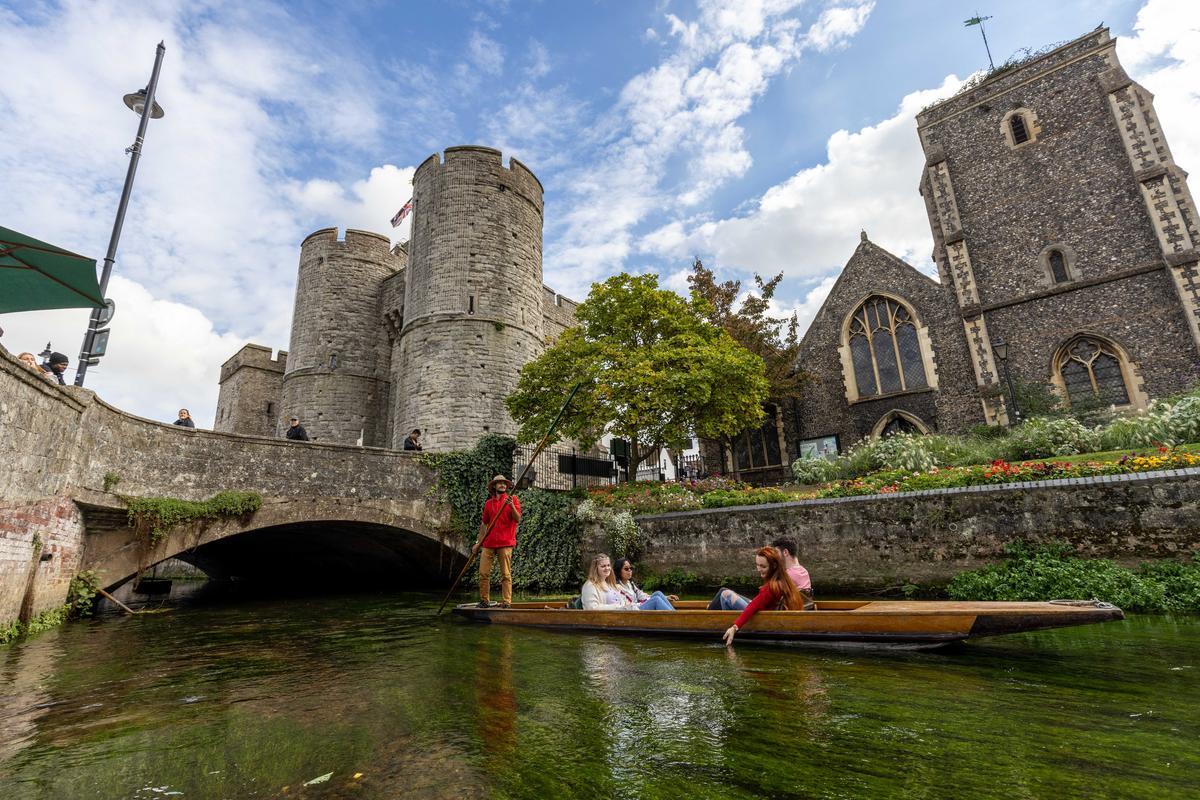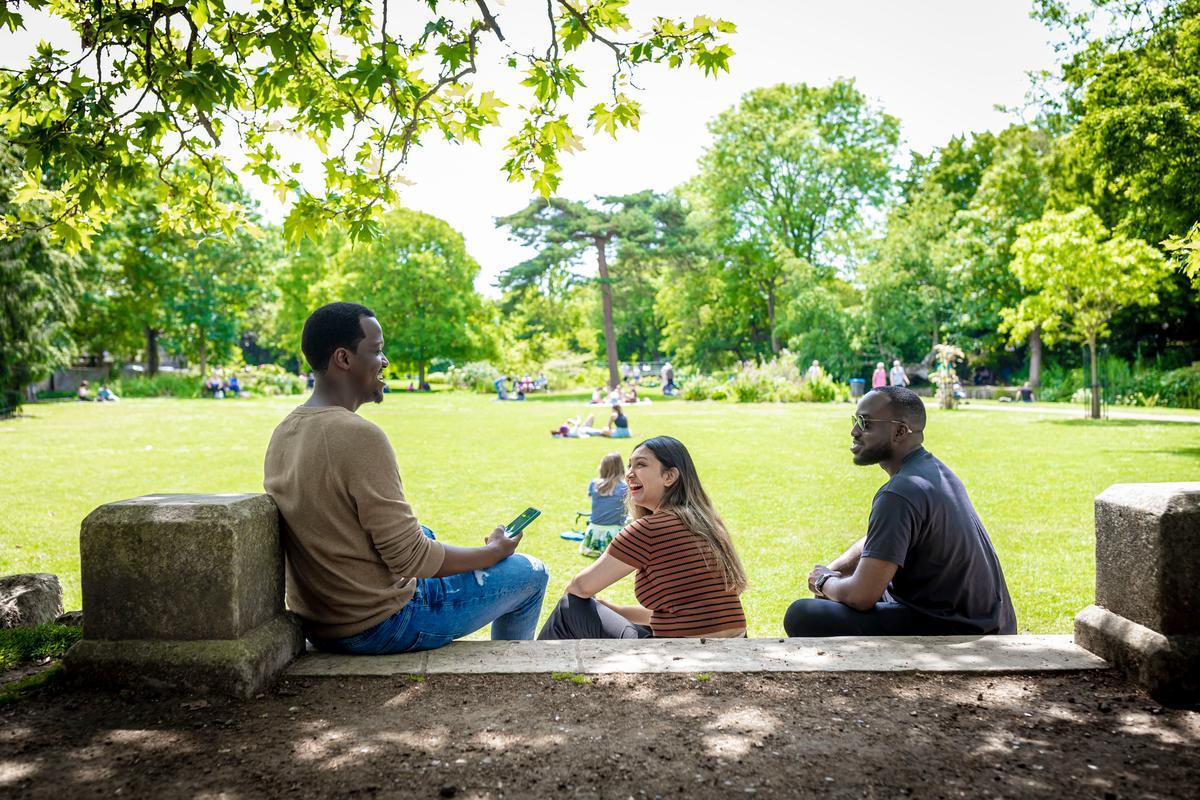
Over the past year, Canterbury has had a makeover. £20 million from the Government’s Levelling Up fund has been spent across the UNESCO World Heritage city, with much of the focus on improving planting and landscaping to improve urban parks and green spaces. But what is it that makes these worth investing in?
‘Parks, gardens and other kinds of green space have a fascinating history in the district, from Canterbury Cathedral’s herbarium to the Dane John and Westgate Gardens,’ says Karen Jones, Professor of Environmental and Cultural History in the School of Humanities. ‘This ‘green heritage’ is an essential part of the fabric of the city – a place to discover histories of planting and parading, subsistence and storytelling: a long history of people and nature in the Garden of England.’
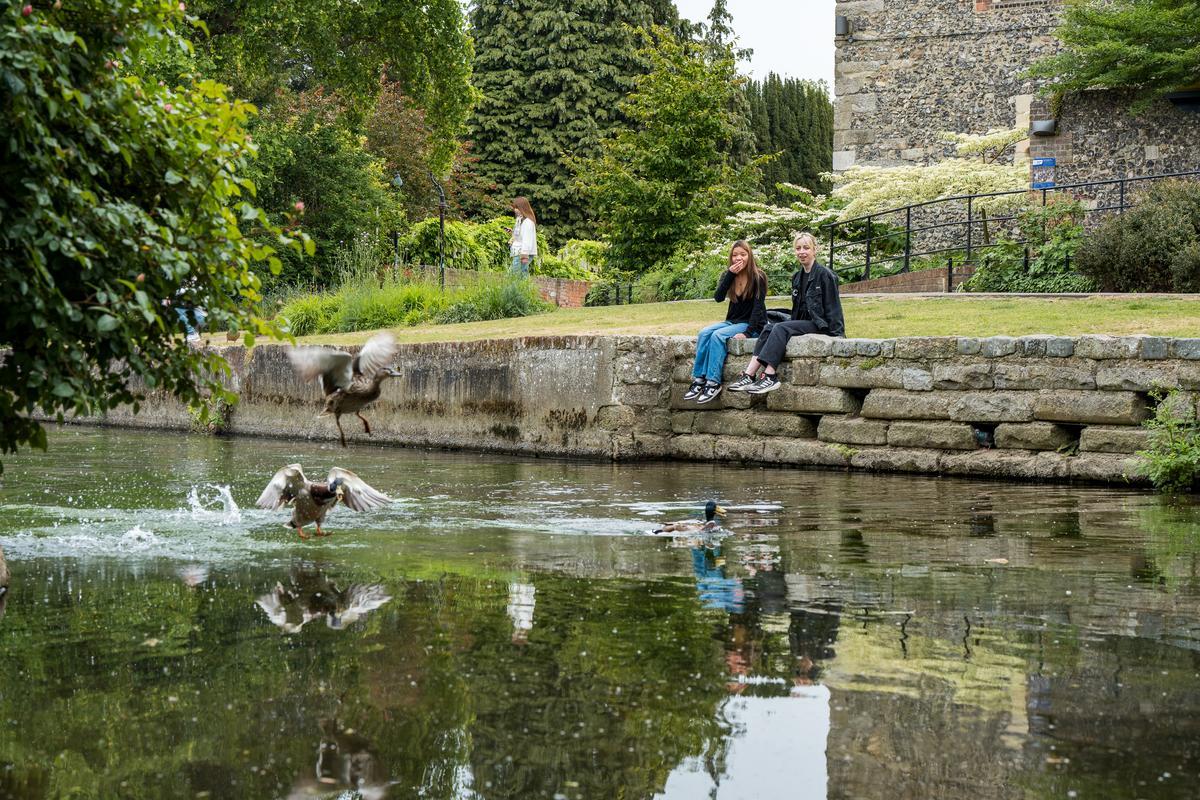
Karen has extensively researched the role of the city park as a site of health, civic memory and human-nature engagement in the urban landscape. During the Covid-19 pandemic, she pitched a ‘virtual pop-up tent’ in parks around the world – Zhongshan Park in Shanghai; Delhi Ridge in New Delhi; and Victoria Park in London – and invited visitors to share their experiences of these sites.
‘This project really cemented the importance of green space in enriching everyday life in the city, wherever it happens to be in the world. Many people had fond memories of visiting as children, regularly went to there to walk, for quiet time or to walk their dog. They talked passionately about favourite trees, animals and landscape features; from benches and bandstands to swimming lakes and skateparks.
She reflects on the significance of these spaces during the pandemic: ‘Covid was an important time for many parks – providing spaces of solace from ‘the great indoors’ and performing their historical roles as spaces of leisure and fresh air. In fact, many people discovered the joys of spending time in green space on their doorstep, sometimes for the first time.’
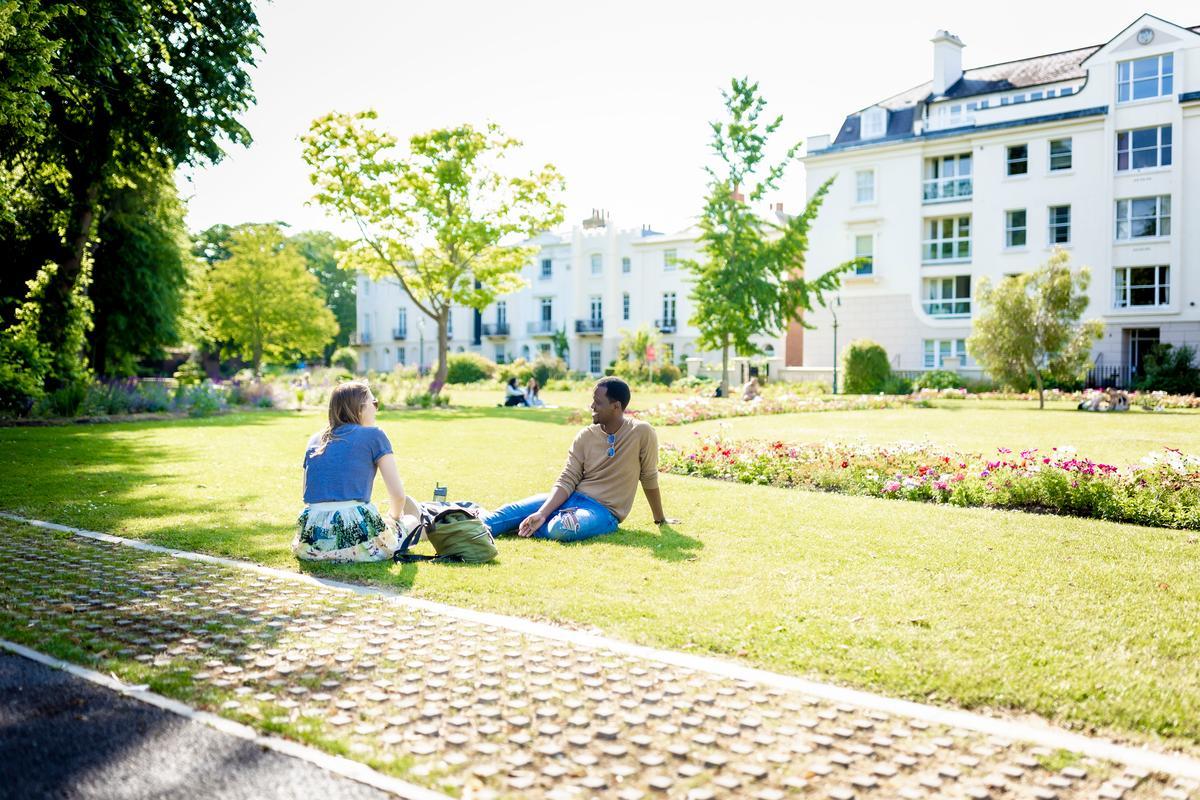
Karen’s current project, ‘A Park for Life’, supported by Kent’s Impact Acceleration Account scheme, has seen her collaborate with regional partners including the Medway Climate Response team and English Heritage to take this idea further.
‘We have been excavating historical data – from archives, newspapers, art and photographs – to plot the ‘green heritage’ of our study sites, as well as collecting community reminiscences in workshops and schools’ events – with the combined aim of mapping the vibrant stories connecting people and place across the Garden of England. What we have discovered is that parks and gardens are hugely valuable as health resources and as hubs of community memory. By taking a walk in the park – looking up from our phones to see the vibrant natural and cultural history around us, we not only gain a greater appreciation of these spaces, but see the importance of preserving them for the future.’