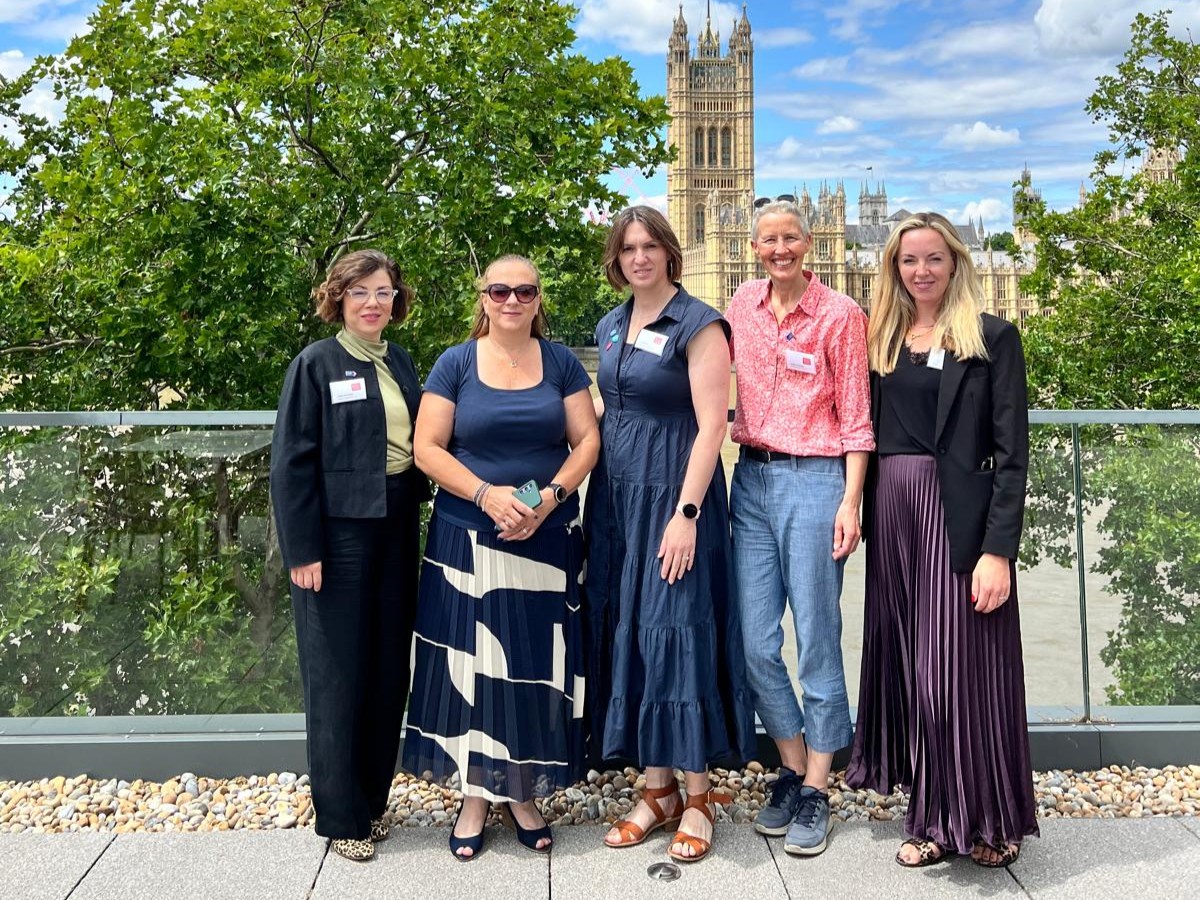
Kent has signed the Government’s Women in Research Charter, joining universities and research organisations across the UK in a national drive to break down barriers to research careers for women by committing to better family leave, flexible working and fairer career progression for women researchers.
The announcement comes as the first meeting of the Government’s Women in Tech Taskforce takes place this week, bringing together leaders from government, higher education and industry to improve opportunities for women across research and technology.
The Charter aims to ensure talented researchers are not disadvantaged by caring responsibilities, career breaks or inflexible ways of working, so women no longer have to choose between a successful research career and family life.
Women make up 53% of science undergraduates and around 40% of the UK’s research workforce, but they continue to be underrepresented in senior academic roles, holding just 31% of professorships. Men are also nearly three times more likely to have careers in research and development.
By signing the Charter, Kent will strengthen support for parents and carers, promote flexible working, encourage fairer assessment of research careers and take further action to tackle bullying, harassment and sexual misconduct. The Charter also promotes greater transparency, reducing bias in grant and recruitment processes, and sharing best practice across the research sector.
Professor Georgina Randsley de Moura, Vice-Chancellor and President of the University of Kent, said: ‘No one should have to choose between building a successful research career and having a family. We all benefit when talented people are able to thrive, whatever their background or personal circumstances.
‘At Kent, we want every researcher to feel valued, supported and able to fulfil their potential. Signing the Women in Research Charter reinforces that commitment, helping us create an environment where talented people can build rewarding careers, contribute new ideas and inspire the next generation.’
Kent is committed to creating a fair and inclusive environment where everyone can thrive and holds an Athena SWAN Silver Award in recognition of its work to advance gender equality. The University’s Athena SWAN Action Plan sets out practical steps to remove barriers and improve opportunities for staff and students.
An example of this is the Women’s Researcher Network (WReN), a grassroots network led by its members and supported by the University’s Athena Swan and Graduate and Researcher College teams, which was set up in 2019 to provide a supportive, inclusive, and empowering community for women at the beginning of their research careers. Wider training and development opportunities, such as Horizons, which prepares staff members to progress into management roles, provide a framework for further career development, alongside coaching and mentoring offered by Kent’s community of practising coaches.
Professor Kathy Kotiadis, Professor of Operational Research, Director of Business Engagement and Co-Director of CADDA in Kent Business School, attended the Charter launch in London and spoke about her own experience of returning to academia after taking a career break to raise her children.
Professor Kotiadis said: ‘After taking a career break to raise my children, I experienced the challenges and bias women face when trying to return to academia. My career was only made possible through the support of a Daphne Jackson Fellowship, which gave me the opportunity to rebuild my academic career.
‘The Women in Research Charter will provide clarity and accountability, ensuring that talent is not lost due to structural barriers or bias. When barriers are removed, qualified women can return to research and make significant contributions to science, society and the economy. My own career is evidence of that.’