
A world-leading expert in unbelief from the University has participated in a panel discussion on the origins of atheism at the Southbank Centre in London, 22-23 January 2017.
Dr Lois Lee, Research Fellow, Religious Studies, in the University’s School of European Culture and Languages (SECL), joined other experts to discuss the origins of atheism as a philosophical worldview.
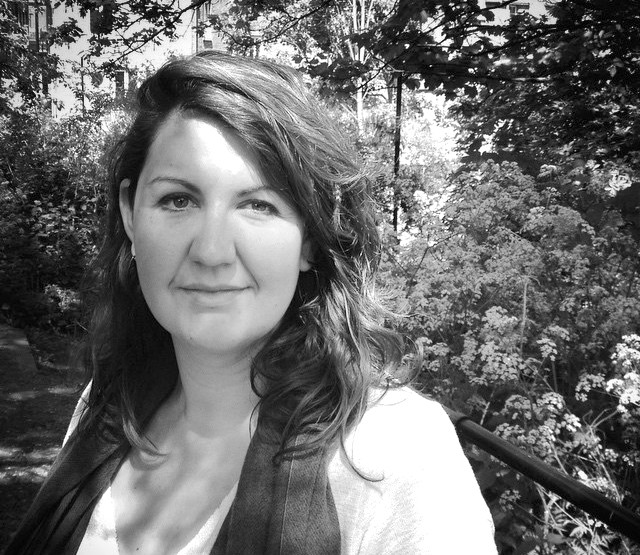
Dr Lee is leading a new and unprecedented £2 million-funded study at Kent called Understanding Unbelief that aims to advance the scientific understanding of atheism, agnosticism and other forms of so-called religious ‘unbelief’.
The project aims to understand atheism and other forms of unbelief as a global phenomenon and to do so through collaboration with research teams from around the world – around 20 in total. It is also the first programme of this scale to work across human science disciplines (especially anthropology, cognitive science, psychology, and sociology).
It examines the precise nature of unbelief in religious phenomena such as God/s, the afterlife, the ultimate purpose of life, but it also asks what it is that unbelievers do believe: what meaning systems, rituals and cultures do people turn to when they don’t have religious ones?
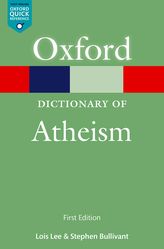
Understanding Unbelief is led by Dr Lee, with co-leaders: Professor Stephen Bullivant, Theology and Sociology of Religion, St Mary’s University, Twickenham; Dr Miguel Farias, Psychology, Coventry University; and Dr Jonathan Lanman, Anthropology, Queen’s University Belfast.
It is funded by Philadelphia-based John Templeton Foundation