
A new book co-written by a University of Kent historian aims to give proper recognition to the millions of men who remained on the home front during World War Two working in reserved occupations.
By 1945 there were over 10 million men engaged in civilian employment, more than double the number of those in the armed forces. Yet these workers remain largely forgotten, both in popular representations of World War Two Britain and in post-war memorials.
The book, entitled Men In Reserve, was co-written by Dr Juliette Pattinson, Head of the 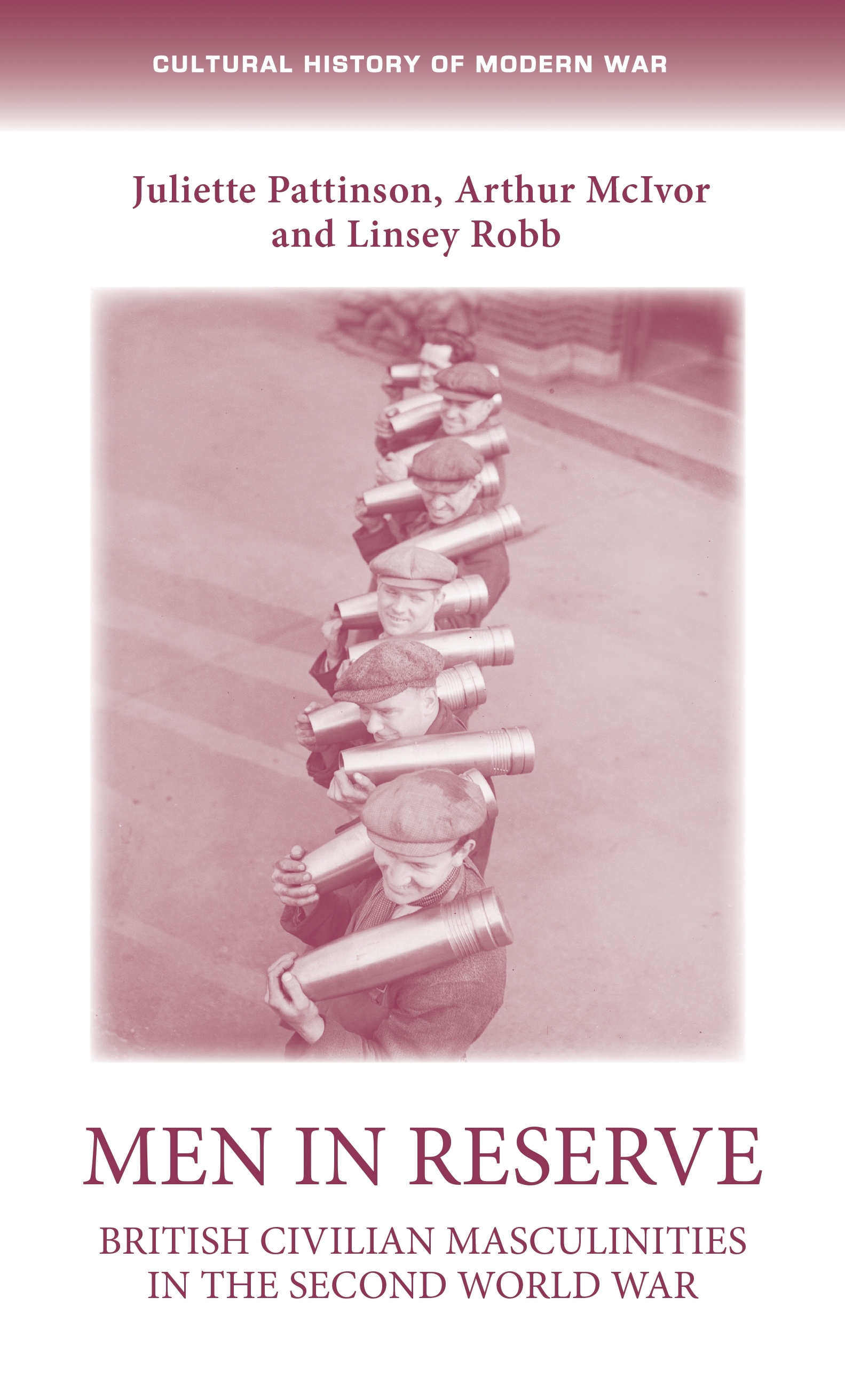 University’s School of History. It seeks to set the record straight on the contribution of these often working class men who remained at home to work in either heavy industries, such as shipbuilding or coal mining, or in ‘white collar’ occupations, such as the civil service or the medical profession.
Learning from the severe shortage of manpower in Britain during the First World War, caused by unchecked conscription, the Government devised a Schedule of Reserved Occupations. This made provision for ‘skilled workpeople who would be required in time of war for the maintenance of necessary production or essential service’.
Making use of oral histories, autobiographies, archival research and visual sources, Men In Reserve explores what it describes as the ‘invisibility of the reserved worker’, both in contemporary accounts and in later post-war representations.
It describes how during WW2, men in uniform were held in high esteem. By contrast, those who were not defending their country on the battlefield, at sea or in the air, were considered ‘less of a man’.
The authors conclude however that ‘it is clear that without these men Britain’s war effort could not have been sustained’.
Men In Reserve (Manchester University Press) is written by Juliette Pattinson, Arthur McIvor, of the University of Strathclyde, and Linsey Robb, of Teesside University.