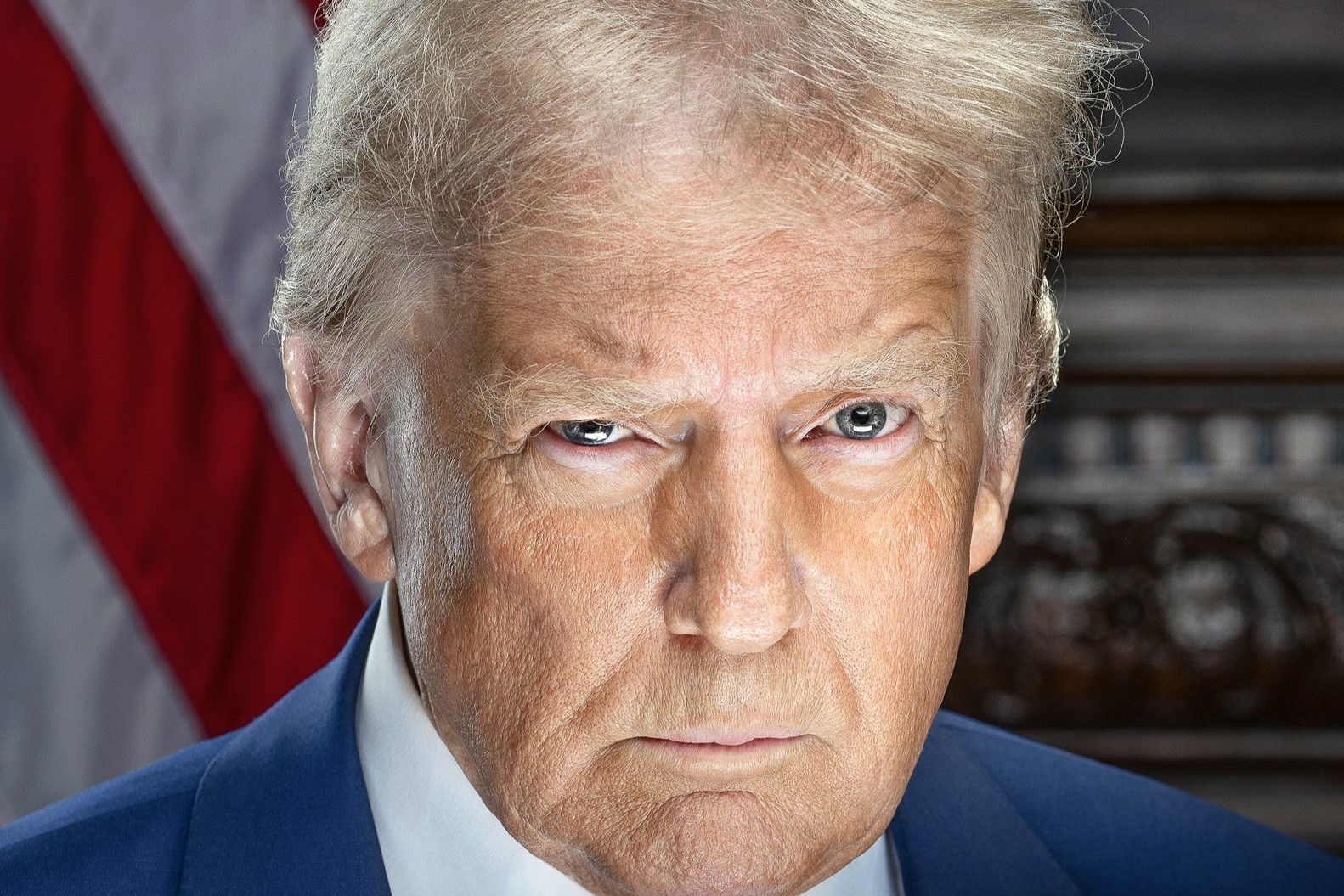
With Donald Trump’s presidential inauguration looming, many observers of international politics are speculating about the future of the United States’ foreign policy under a second Trump administration. Dr Rubrick Biegon, an expert in US foreign policy at Kent’s School of Economics and Politics and International Relations, comments on what can be expected:
‘From the Russia-Ukraine war and the recent ceasefire in Gaza to trade with China and the status of NATO, there are a number of significant flashpoints on the horizon.
‘If the post-election presidential transition period is any indication, we should brace for a good amount of stylised chaos from Trump’s foreign policy. In recent weeks, Trump has referred to Canada as the 51st state, called for the annexation of Greenland, and threatened Panama’s sovereign control of the Panama Canal. None of these issues featured in the 2024 presidential campaign, a stark reminder of Trump’s ability to alter the agenda with little forewarning. Trump himself seems to relish being strategically unpredictable. Though unquestionably nationalist in orientation, he does not have a strong sense of ideological or policy purpose apart from his famous commitment to ‘America First’. This focuses attention even more on Trump’s idiosyncrasies, which often serve to mask relatively conventional conservative positions.
‘As is often the case with presidential administrations, we will know more about the direction of US foreign policy once Trump’s team is in place. As his key foreign policy staffing selections move through the Senate confirmation process, the statements and positions they provide will offer some clues about what to expect. Changes to American foreign policy under Trump 2.0 are likely to come down to two factors: 1) the extent of the divisions between different factions of the Republican Party (on things like trade, global security commitments) and; 2) the ability of Trump to pursue longer-terms projects at a time of substantial international upheaval.’
The University’s Press Office provides the media with expert comments in response to topical news events. Colleagues who would like to learn more about how to contribute their expertise or how the service works should contact the Press Office at pressoffice@kent.ac.uk