Eastern ARC, comprising the universities of Kent, East Anglia and Essex, has secured nearly £3 million in research grant funding in its first year.
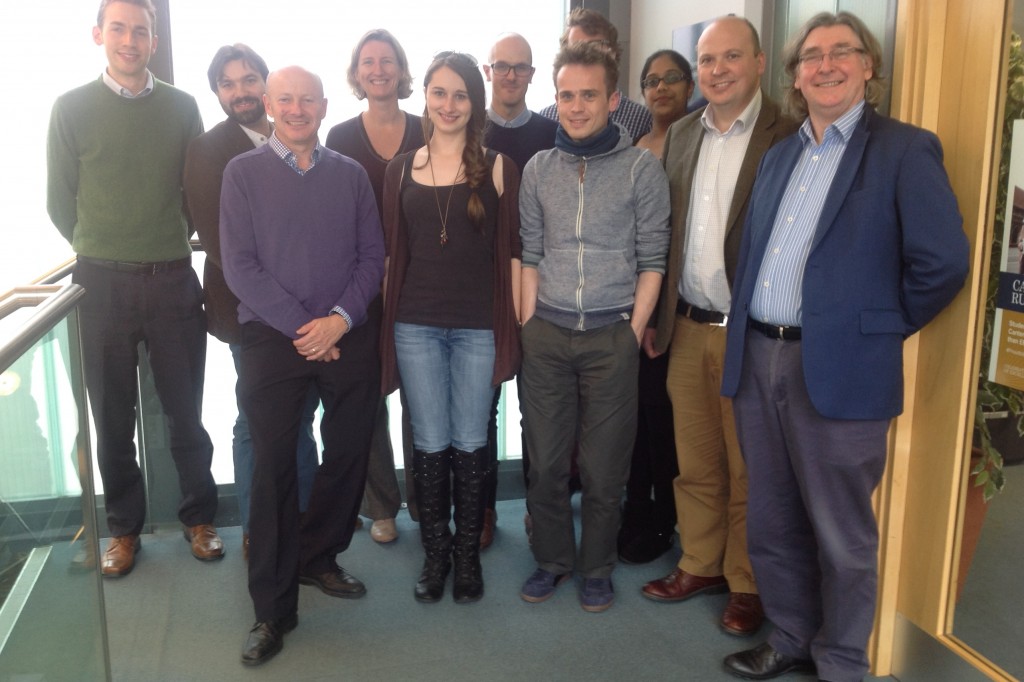
Researchers working across Eastern ARC’s three research themes – Digital Humanities, Synthetic Biology and Quantitative Social Sciences – met on 6 November for the consortium’s inaugural Autumn Conference, held at the University of Essex. They heard that, as well as the grant income success, to date 56 Eastern ARC-related journal articles or conference papers have been published.
Each university leads on one of the themes, which are based on areas of existing research strength. Six Fellows and 18 PhD students have been appointed to support the ongoing Eastern ARC projects.
Professor Paul Allain, of the School of Arts, leads for Kent on the Digital Humanities theme, while Dr Benjamin Vis, of the School of European Culture and Languages, is the Fellow. Sarah Tetley is Kent’s Eastern ARC officer.
Conference delegates discussed how they would share plans across the three partner institutions and stimulate cross-research theme dialogue.
Welcoming delegates, Essex Vice-Chancellor Professor Anthony Forster said that collaboration between the three universities would enable the consortium to attain ‘critical mass’ to continue to attract research funding in an increasingly competitive environment. The three universities were ‘investing for the long term’ in the project, he added.
Professor Philippe De Wilde, PVC Research and Innovation, University of Kent; Professor David Petley, PVC Research and Enterprise, University of East Anglia; and Professor David Sanders, PVC Research, University of Essex each presented their perspectives on the Eastern ARC vision.
The Digital Humanities research strand has seen 13 grant applications, receiving £1,319,000 in funding and generating 14 journal articles; Quantitative Social Sciences has seen 30 grant applications, receiving £834,442 in funding and generating 30 journal articles and Synthetic Biology has seen six grant applications, receiving £742,877 in funding and generating 12 journal articles.
Members of the Digital Humanities theme met at the University on 13 October.